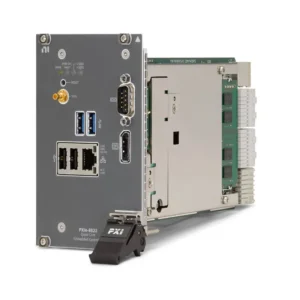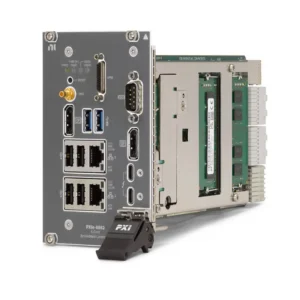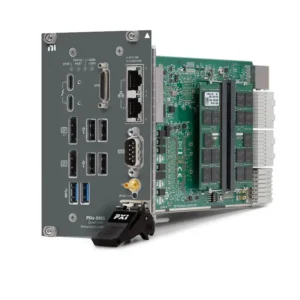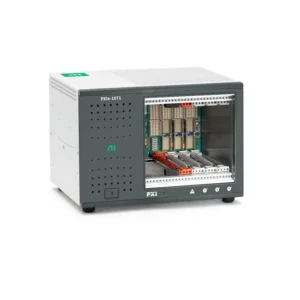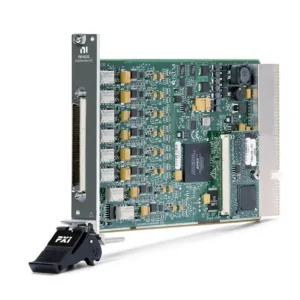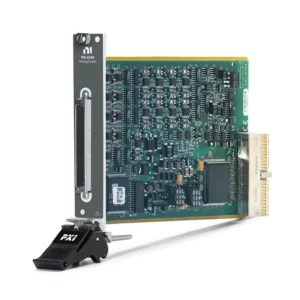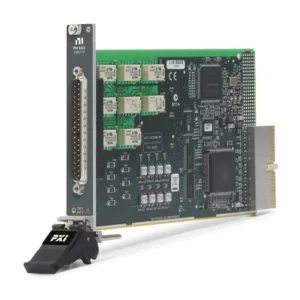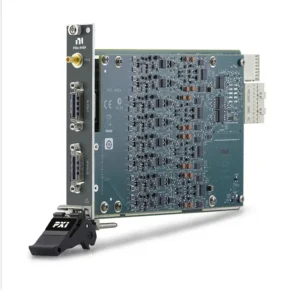




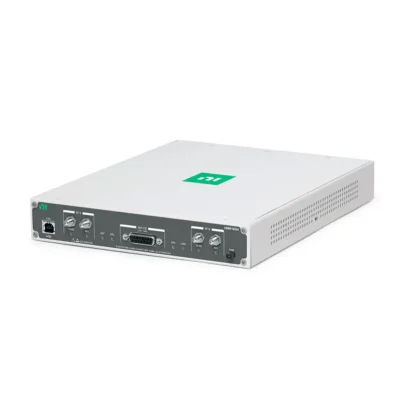
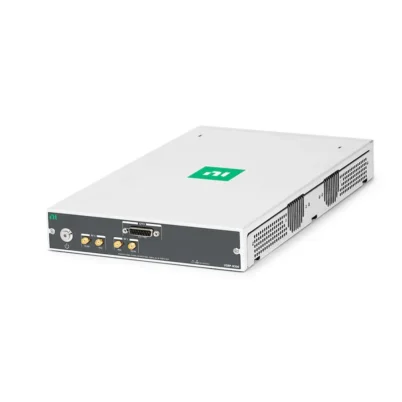
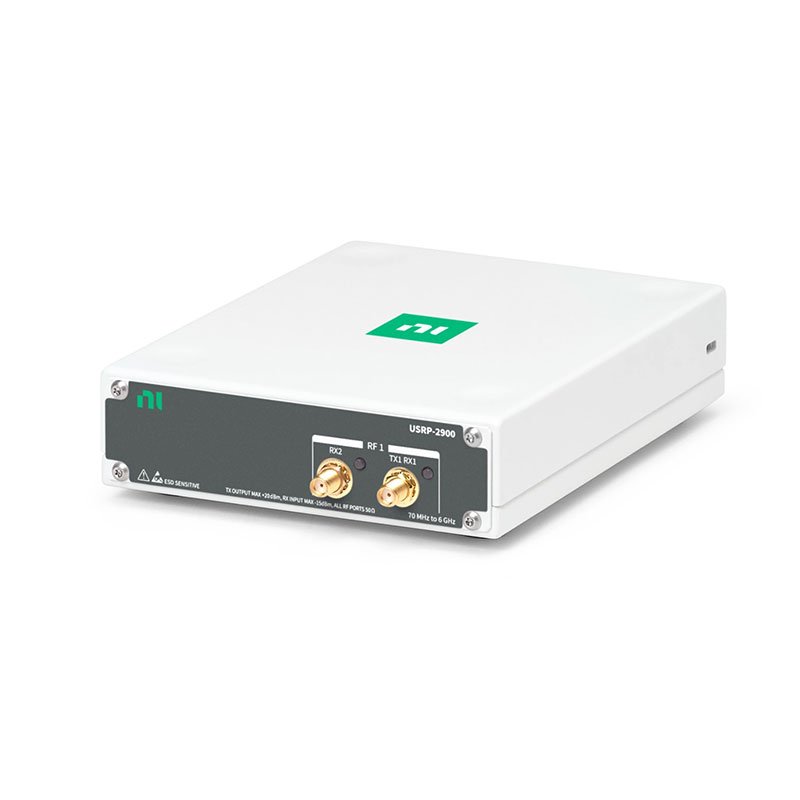
NI USRP-2900 Software Defined Radio SDR Device
The NI USRP-2900 is an entry-level software defined radio (SDR) platform designed for wireless communication education, RF experimentation, signal processing research, and software-defined radio prototyping. Developed by National Instruments, the USRP-2900 provides a flexible RF development platform with USB connectivity and software-configurable architecture.
The USRP-2900 enables students, researchers, and engineers to explore wireless communication concepts by providing access to programmable RF transmission and reception. With support for NI LabVIEW, UHD, and GNU Radio environments, it allows users to develop custom communication algorithms and SDR applications.
Designed for academic laboratories and engineering development environments, the USRP-2900 provides an affordable and flexible solution for learning SDR technology, testing wireless protocols, and developing RF applications.
Key Features of NI USRP-2900
Flexible Software Defined Radio Architecture
The USRP-2900 provides a programmable SDR platform that allows users to implement custom wireless communication applications.
- Software-defined RF architecture
- Flexible waveform development
- Custom signal processing algorithms
- Wireless communication experimentation
- Rapid SDR prototyping
USB-Based SDR Connectivity
The USRP-2900 uses USB connectivity to provide a simple connection method between the SDR device and host computer.
- Easy computer integration
- Portable SDR deployment
- Flexible laboratory setup
- Suitable for education and research
RF Signal Processing Capability
The USRP-2900 provides RF transmission and reception capability for communication research and signal processing applications.
- RF signal generation
- RF signal reception
- Wireless protocol development
- Signal analysis experiments
Comprehensive Software Support
The USRP-2900 supports multiple software platforms for SDR application development.
- NI LabVIEW support
- UHD driver support
- GNU Radio compatibility
- MATLAB integration
- Python and C++ development
Compact SDR Development Platform
The USRP-2900 provides a compact and practical solution for universities, laboratories, and engineering teams.
- Portable SDR design
- Easy system deployment
- Low-cost research platform
- Suitable for training environments
Applications of NI USRP-2900
SDR Education and Training
The USRP-2900 is widely used in universities and training laboratories for teaching wireless communication principles.
- Software defined radio education
- Communication theory experiments
- Signal processing training
- Wireless system demonstrations
Wireless Communication Research
The USRP-2900 provides a flexible platform for developing and testing wireless communication algorithms.
- Wireless protocol research
- Modulation experiments
- Communication algorithm testing
- RF system prototyping
Signal Processing Development
The USRP-2900 allows engineers to explore digital signal processing techniques using real RF signals.
- DSP algorithm development
- Signal analysis
- Receiver design
- Transmitter development
Academic and Laboratory Research
The USRP-2900 provides an affordable SDR solution for research institutions and engineering laboratories.
- University research
- Prototype development
- Communication experiments
- Engineering education
Software Support
The NI USRP-2900 supports various software platforms for SDR programming and communication research.
- LabVIEW
- UHD (USRP Hardware Driver)
- GNU Radio
- MATLAB
- Python
- C++
Technical Specifications of USRP-2900
| Feature | Description |
|---|---|
| Product Type | Software Defined Radio (SDR) Device |
| Platform | NI USRP 2900 Series |
| Connectivity | USB Interface |
| RF Capability | Software Configurable RF Transceiver |
| Software | LabVIEW, UHD, GNU Radio, MATLAB |
| Applications | Education, wireless research, SDR development, signal processing |
Comparison with Similar USRP SDR Devices
| Model | Main Difference | Best Application |
|---|---|---|
|
NI USRP-2900 | Entry-level USB SDR platform designed for wireless communication education and SDR experimentation. | Education and basic SDR development |
|
NI USRP-2901 | Similar USB SDR platform with different RF frequency configuration. | Wireless communication experiments |
|
Ettus USRP B200 | Compact Ettus SDR platform with flexible RF capability for portable applications. | Portable SDR research |
|
Ettus USRP B210 | Dual-channel SDR platform with enhanced RF capability and wider application range. | Advanced wireless prototyping |
Recommended Related Products
The following products are commonly used with the USRP-2900 to build complete SDR learning, research, and wireless development systems.
|
NI USRP-2901 | USB-based SDR platform for wireless communication experiments and academic applications. |
|
Ettus USRP B200 | Compact SDR platform for portable wireless development and RF experimentation. |
|
Ettus USRP B210 | Dual-channel SDR platform for more advanced communication research applications. |
|
Ettus USRP X310 | High-performance SDR platform for advanced RF research and FPGA-based development. |
|
Ettus USRP N320 | Networked SDR platform for advanced wireless systems and distributed RF applications. |
Why Choose NI USRP-2900
- Affordable SDR development platform
- USB-based easy system integration
- Supports multiple SDR software environments
- Ideal for wireless communication education
- Suitable for RF experimentation and prototyping
- Compatible with NI and open-source SDR ecosystems
Conclusion
The NI USRP-2900 Software Defined Radio Platform provides an accessible and flexible solution for students, researchers, and engineers exploring software-defined radio technology.
With USB connectivity, software-defined RF capability, and broad software support, the USRP-2900 is an excellent choice for SDR education, wireless communication experiments, signal processing research, and RF prototyping applications.