



Product Introduction
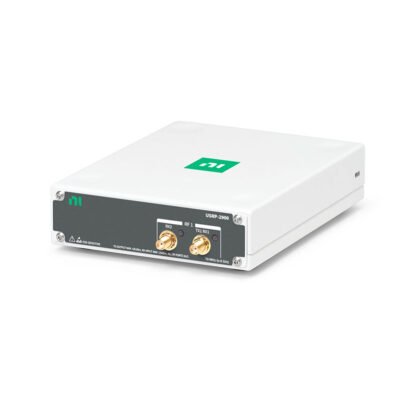
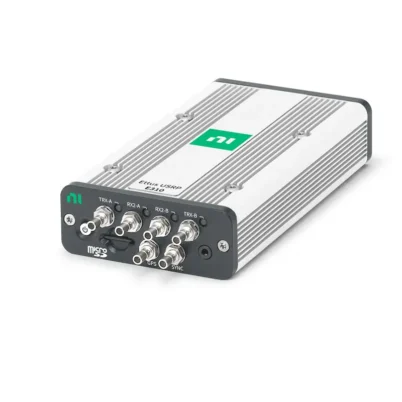
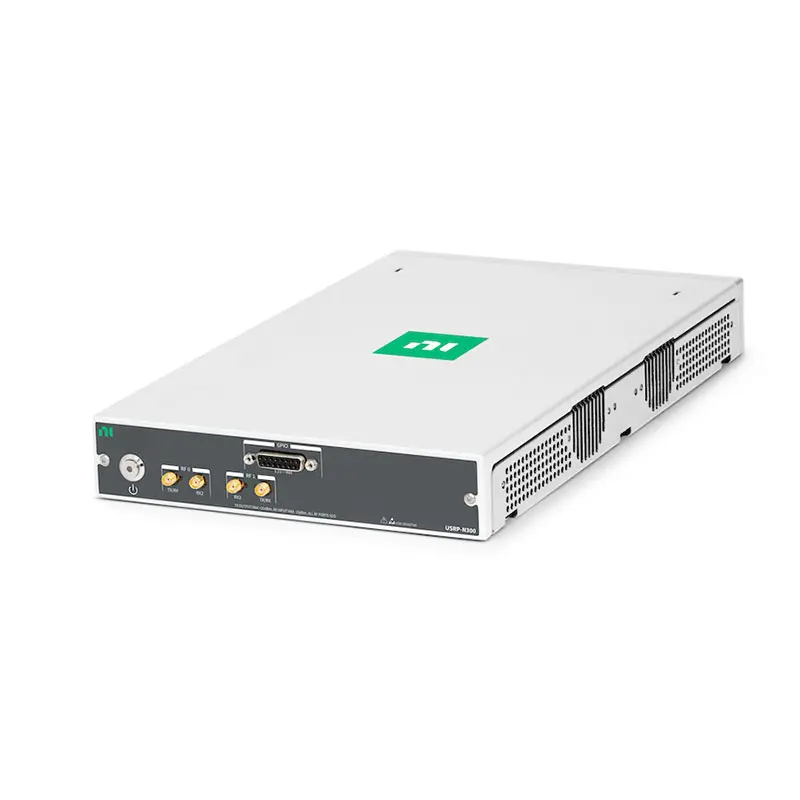
The Ettus USRP N320 is a high-performance networked software defined radio (SDR) platform designed for advanced wireless communications research, RF prototyping, distributed radio systems, radar development, spectrum monitoring, beamforming, and FPGA-based real-time signal processing.
The USRP N320 combines a wideband RF transceiver architecture, dual RF channels, high-speed data converters, programmable FPGA processing, embedded computing resources, and ultra-high-speed network connectivity into a compact standalone SDR platform.
Supporting RF operation from 1 MHz to 6 GHz, 2 TX / 2 RX channels, up to 200 MHz instantaneous bandwidth, and high-throughput 10 Gigabit Ethernet connectivity, the N320 provides a flexible solution for demanding SDR applications requiring reliable network deployment and synchronized RF operation.
Product Overview
The Ettus USRP N320 belongs to the Ettus Research Networked Series SDR family and is designed for applications requiring high-performance RF processing, remote operation, and distributed wireless system deployment.
Compared with the USRP N310, the N320 provides a similar dual-channel RF architecture but introduces enhanced FPGA resources, improved processing capability, and higher-performance system architecture for advanced SDR applications.
The N320 is particularly suitable for wireless communication testbeds, MIMO systems, radar research, spectrum sensing, electronic warfare research, and applications requiring multiple synchronized SDR nodes.
Key Features
1 MHz to 6 GHz RF Frequency Coverage
The USRP N320 provides broad RF frequency coverage for modern wireless and RF research applications.
- 1 MHz to 6 GHz RF frequency range
- Wideband RF transceiver architecture
- Software-defined frequency control
- Support for sub-6 GHz wireless applications
- Flexible RF experimentation
Advantage: The wide frequency range enables research across cellular communications, WLAN, IoT, ISM, radar, and spectrum monitoring applications.
2 TX / 2 RX RF Channels
The USRP N320 provides two transmit channels and two receive channels for multi-channel SDR applications.
- 2 transmit channels
- 2 receive channels
- 2×2 MIMO capability
- Multi-antenna experiments
- Beamforming research
- Parallel RF acquisition
Advantage: Dual RF channels provide a balance between system flexibility and hardware efficiency for advanced SDR research.
Up to 200 MHz Instantaneous Bandwidth
The N320 supports wideband RF operation with up to 200 MHz instantaneous bandwidth.
- Up to 200 MHz bandwidth
- Wideband I/Q streaming
- High-speed RF acquisition
- Wideband waveform generation
- Advanced wireless testing
Advantage: Large bandwidth supports high-data-rate communication research, channel measurements, and wideband spectrum applications.
High-Performance FPGA Processing
The USRP N320 includes a powerful programmable FPGA architecture for real-time signal processing.
- FPGA-based DSP processing
- Digital filtering
- Digital upconversion
- Digital downconversion
- RFNoC processing support
- Custom FPGA algorithms
Advantage: FPGA acceleration allows latency-sensitive processing functions to execute directly inside the SDR hardware.
Enhanced Processing Architecture
The N320 provides increased processing capability compared with previous networked USRP platforms.
- High-performance embedded processing
- Advanced FPGA resources
- Real-time signal processing
- High-throughput data handling
- Complex SDR application support
Advantage: Enhanced processing resources improve performance for advanced wireless, radar, and distributed SDR applications.
High-Speed Network Connectivity
The USRP N320 is optimized for high-throughput network-based SDR applications.
- 10 Gigabit Ethernet support
- High-speed I/Q data streaming
- Remote SDR operation
- Distributed RF deployments
- Wireless testbed integration
Advantage: Network connectivity allows flexible SDR placement and scalable multi-device systems.
Optional Dual 10 Gigabit Ethernet
The N320 supports high-performance Ethernet interfaces for demanding RF streaming applications.
- High-bandwidth Ethernet communication
- Multiple network deployment options
- Low-latency data transfer
- Large-scale SDR systems
External Clock and Synchronization
The N320 provides timing and reference interfaces required for synchronized RF applications.
- 10 MHz reference input
- PPS timing support
- Multi-device synchronization
- Phase-coherent RF applications
- Distributed wireless systems
Advantage: Accurate synchronization enables MIMO, beamforming, radar, and distributed sensing applications.
GPSDO Support
The USRP N320 supports GPS-disciplined oscillator options for applications requiring accurate timing and frequency references.
- GPSDO option
- GPS-referenced frequency synchronization
- GPS timing information
- Distributed SDR networks
- Precision RF experiments
RFNoC Architecture
The N320 supports Ettus RF Network-on-Chip architecture for FPGA-based signal processing.
- Custom FPGA processing blocks
- Hardware acceleration
- Real-time DSP pipelines
- Low-latency processing
- Flexible SDR development
Technical Specifications
| Parameter | Description |
|---|---|
| Product Type | High-Performance Networked Software Defined Radio |
| Model | Ettus USRP N320 |
| RF Frequency Range | 1 MHz to 6 GHz |
| RF Channels | 2 TX / 2 RX |
| MIMO Capability | 2×2 MIMO |
| Instantaneous Bandwidth | Up to 200 MHz |
| FPGA | High-Performance FPGA Architecture |
| RF Architecture | Integrated RF Transceiver Architecture |
| Network Interface | 10 Gigabit Ethernet |
| Synchronization | 10 MHz Reference and PPS Support |
| GPSDO | Optional |
| Software Support | UHD, GNU Radio, RFNoC |
| Primary Applications | Wireless Communications, MIMO, Radar, Distributed SDR and Spectrum Monitoring |
Software Ecosystem
The Ettus USRP N320 is supported by the UHD software ecosystem and professional SDR development tools.
- UHD: Provides hardware drivers and APIs for RF configuration, synchronization, streaming, and device management.
- GNU Radio: Enables graphical SDR development for communication systems and signal-processing applications.
- RFNoC: Provides FPGA-based processing architecture for high-performance SDR workflows.
- C/C++ and Python: Support custom SDR applications, automation, and research development.
Industries
- Wireless Communications
- 5G Research
- Aerospace and Defense
- Radar Development
- Electronic Warfare
- RF Engineering
- Telecommunications
- Universities and Research Laboratories
Applications
Wireless Communication Research
The N320 provides a flexible platform for developing advanced wireless communication systems.
- Physical layer research
- Digital modulation
- Wireless protocol testing
- Channel measurements
- Communication testbeds
2×2 MIMO Systems
The dual RF architecture supports MIMO communication experiments.
- 2×2 MIMO
- Spatial diversity
- Transmit diversity
- Receive diversity
- Multi-antenna systems
Distributed SDR Networks
The network-based architecture makes the N320 suitable for distributed RF systems.
- Remote SDR deployment
- Multi-node wireless networks
- Distributed spectrum sensing
- Large-scale RF experiments
- Wireless research infrastructure
Radar Development
The N320 supports experimental radar systems requiring wideband acquisition and FPGA processing.
- FMCW radar
- Radar waveform generation
- Radar signal acquisition
- Real-time DSP processing
Beamforming Research
Synchronized RF channels enable experimental beamforming and spatial processing applications.
- Digital beamforming
- Antenna-array research
- Adaptive antennas
- Phase-coherent experiments
Spectrum Monitoring
The N320 provides a flexible platform for wideband spectrum applications.
- Wideband spectrum acquisition
- Signal detection
- Interference monitoring
- RF environment analysis
- Signal classification
Comparison with Similar USRP Devices
| Model | Main Difference | Best Application |
|---|---|---|
| USRP N320 | High-performance network SDR with 1 MHz to 6 GHz coverage, 2 TX/2 RX, 200 MHz bandwidth and enhanced processing architecture. | Advanced network SDR and wireless research |
| USRP N310 | Provides 4 TX/4 RX channels for massive MIMO and multi-antenna applications. | 4×4 MIMO and beamforming systems |
| USRP N300 | Entry network SDR with 2 TX/2 RX architecture. | General distributed SDR applications |
| USRP X310 | Modular SDR with daughterboard flexibility and larger FPGA resources. | Custom SDR and FPGA development |
Recommended Related Products
| Ettus USRP N310 | Network SDR with 4 TX/4 RX channels for massive MIMO and advanced wireless testbeds. |
| Ettus USRP N300 | Compact network SDR platform for 2×2 MIMO and distributed RF systems. |
| Ettus USRP X420 | RFSoC-based SDR platform for higher bandwidth wireless research applications. |
Why Choose USRP N320?
- 1 MHz to 6 GHz RF coverage
- 2 TX / 2 RX channels
- Up to 200 MHz bandwidth
- Integrated RF transceiver architecture
- High-performance FPGA processing
- 10 Gigabit Ethernet connectivity
- Network-based SDR architecture
- Optional GPSDO synchronization
- RFNoC FPGA acceleration
- Suitable for advanced wireless research
- Ideal for distributed SDR systems
Frequently Asked Questions
What is the Ettus USRP N320?
The USRP N320 is a high-performance networked software-defined radio platform designed for wireless communications, distributed SDR systems, radar research, and FPGA-based signal processing.
What frequency range does the USRP N320 support?
The USRP N320 supports RF operation from 1 MHz to 6 GHz.
How many RF channels does the USRP N320 provide?
The N320 provides two transmit channels and two receive channels, supporting 2×2 MIMO applications.
What bandwidth does the USRP N320 support?
The USRP N320 supports up to 200 MHz instantaneous bandwidth.
What is the difference between USRP N320 and N310?
The N320 and N310 are both high-performance network SDR platforms. The main difference is that the N310 focuses on 4 TX/4 RX multi-channel applications, while the N320 provides enhanced processing capability with a 2 TX/2 RX architecture.
Does the USRP N320 support 10 Gigabit Ethernet?
Yes. The N320 supports 10 Gigabit Ethernet for high-throughput SDR data streaming and distributed RF deployments.
Does the USRP N320 support GPSDO?
Yes. GPS-disciplined oscillator capability is available as an option for applications requiring precise timing and frequency synchronization.
What software supports the USRP N320?
The N320 supports UHD, GNU Radio, RFNoC, C/C++, and Python-based SDR development environments.
Conclusion
The Ettus USRP N320 software defined radio is a high-performance network SDR platform designed for advanced wireless communications, distributed RF systems, MIMO research, radar development, spectrum monitoring, and FPGA-based signal processing. With 1 MHz to 6 GHz RF coverage, 2 TX/2 RX channels, up to 200 MHz bandwidth, 10 Gigabit Ethernet connectivity, FPGA acceleration, and optional GPSDO synchronization, the USRP N320 provides a flexible and powerful platform for modern SDR research and deployment.