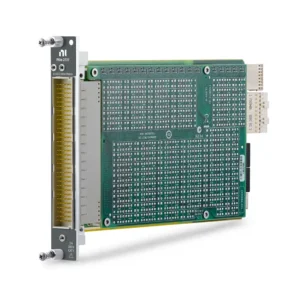
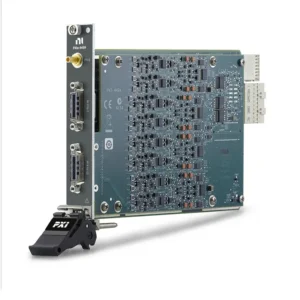
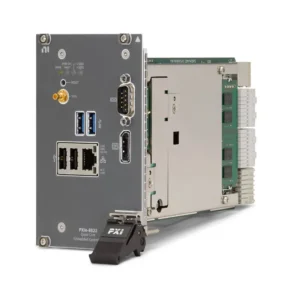
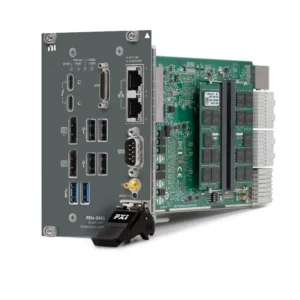
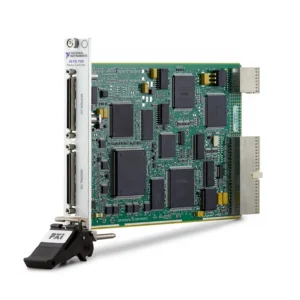
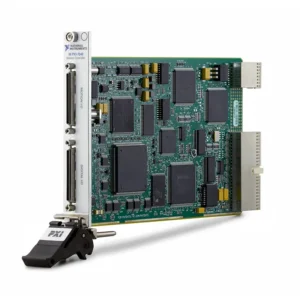
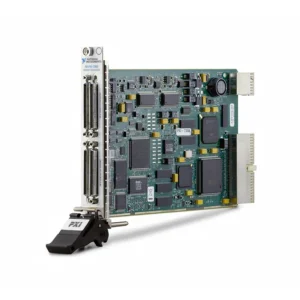
PXI Source Test & Measurement Solutions
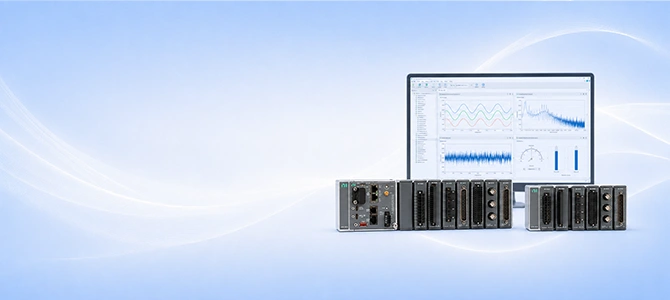
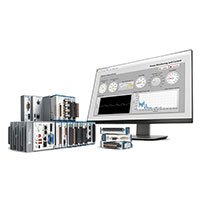
PXISOURCE provides modular test and measurement hardware for automated testing, data acquisition, electronic validation, RF measurement, industrial control and research applications. Our product portfolio covers NI PXI and PXI Express systems, CompactDAQ, CompactRIO, C Series modules, PCI and USB devices, USRP software-defined radios and selected Keysight benchtop instruments.
We support engineers, system integrators, laboratories and procurement teams with product identification, platform selection, chassis and module compatibility review, accessory matching, legacy replacement and sourcing for new or existing test systems.
Test and Measurement Product Platforms
| Product Platform | Core Capability | Best Fit | Key Selection Criteria |
|---|
| PXI and PXI Express Systems | Modular instruments, synchronized measurement, switching, RF, power and automated test | Production test, validation laboratories, semiconductor test and high-channel-count systems | Chassis slot type, controller performance, backplane bandwidth, synchronization and module compatibility |
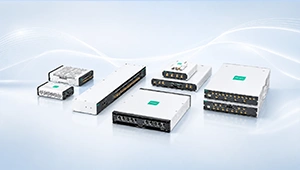
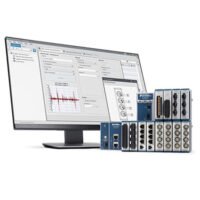
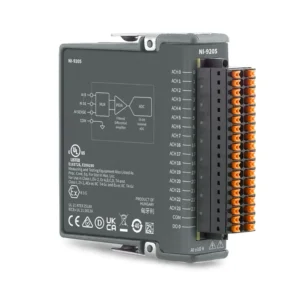
| CompactDAQ Systems | Modular sensor and electrical data acquisition through USB, Ethernet or integrated controllers | Laboratory measurement, portable testing, data logging and distributed acquisition | Sensor type, C Series module support, sample rate, channel count and host connection |
| CompactRIO Systems | Real-time processing, FPGA-based control and rugged modular I/O | Industrial control, hardware-in-the-loop testing, condition monitoring and embedded systems | Processor, FPGA resources, real-time operating system, slot count and environmental rating |
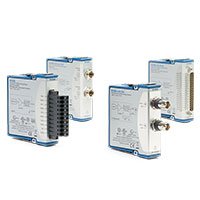
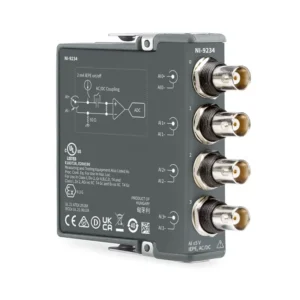
| C Series Modules | Sensor-specific analog, digital, communication, counter and specialty I/O | CompactDAQ and CompactRIO measurement and control systems | Signal type, isolation, conditioning, connector, sample rate and platform compatibility |
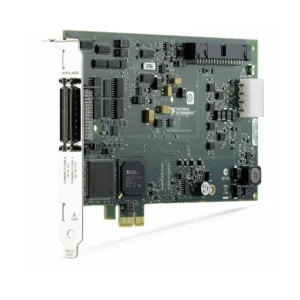
| PCI and PCI Express Devices | Computer-installed DAQ, digital I/O, communication, FPGA and digitizer functions | Desktop-controlled laboratories, OEM systems and existing PC-based test equipment | Computer slot, operating system, driver version, signal range and breakout accessories |
| USB Test and Measurement Devices | Portable data acquisition, digital I/O, communication and benchtop measurements | Laboratory work, education, field testing and rapid prototype development | USB bandwidth, bus or external power, channel count, sampling architecture and connectivity |
| USRP Software-Defined Radios | Programmable RF transmit and receive hardware for wireless research and prototyping | 5G and 6G research, spectrum monitoring, communications, radar and RF algorithm development | Frequency range, instantaneous bandwidth, RF channels, FPGA capability and host interface |
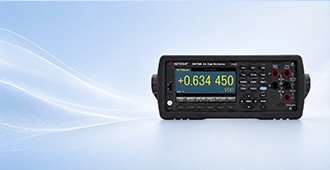
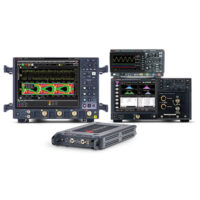
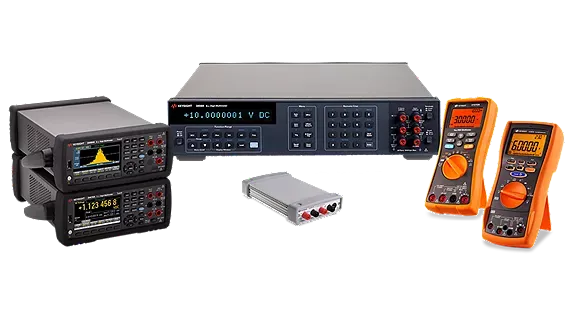
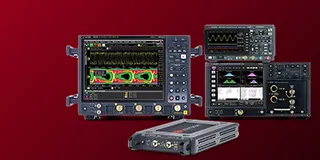
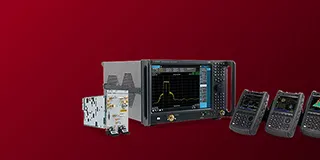
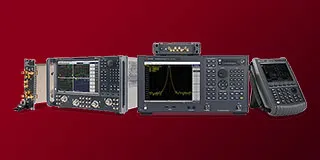
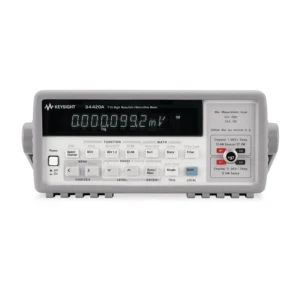
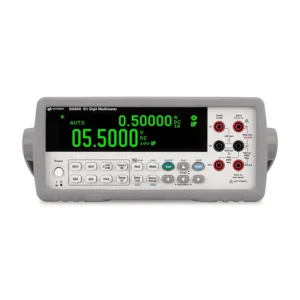
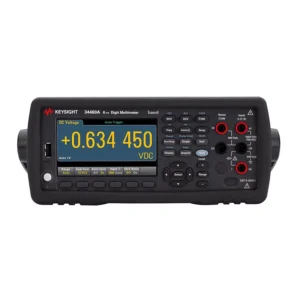
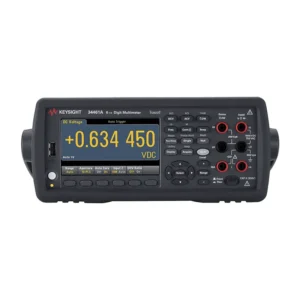
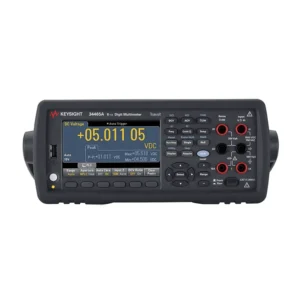
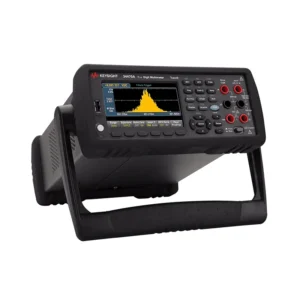
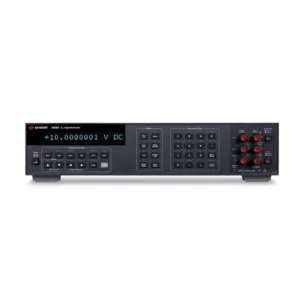
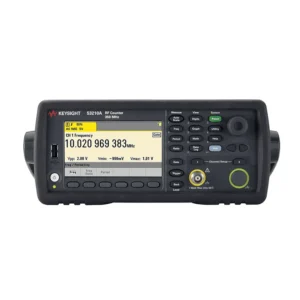
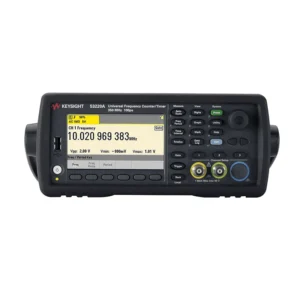
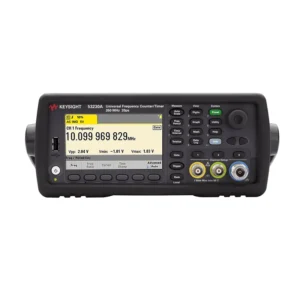
| Keysight Test Instruments | Oscilloscopes, spectrum analyzers, network analyzers, power supplies, DMMs and modular instruments | Benchtop characterization, RF testing, electronics design and laboratory measurement | Measurement range, bandwidth, accuracy, options, interfaces and application software |
Complete PXI Test Systems
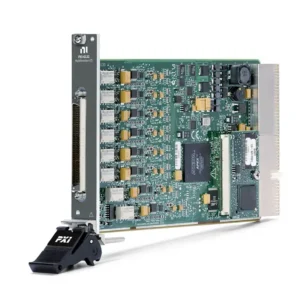
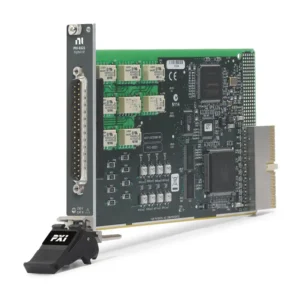
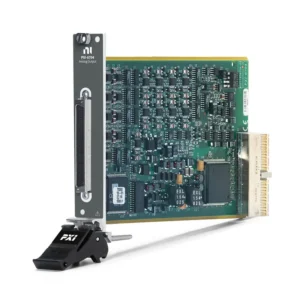
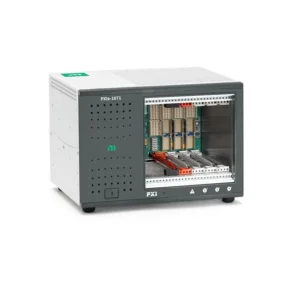
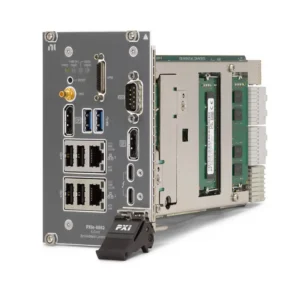
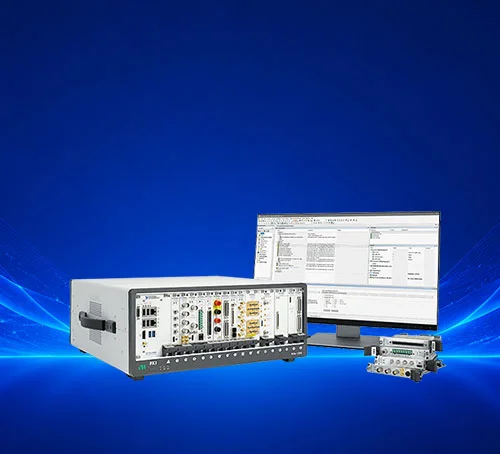
PXI combines modular instruments, computer processing, PCI Express data transfer and precision timing within one automated measurement platform. A complete system normally includes a chassis, controller, measurement modules, terminal blocks, cables, software and application-specific fixtures.
PXI systems can integrate multiple instrument functions, including:
- Analog and digital data acquisition
- Oscilloscopes and high-speed digitizers
- RF signal generation and analysis
- Digital multimeters and LCR measurements
- Source measure units and programmable power supplies
- Signal switching and multiplexing
- FPGA and real-time processing
- Industrial and automotive communication interfaces
- Sensor, sound, vibration and temperature measurements
- Timing, triggering and multichassis synchronization
The correct PXI configuration depends on the required measurements, channel count, sample rate, bandwidth, synchronization and software environment. The chassis and controller must be selected for the combined power, cooling, PCI Express and processing requirements of every installed module.
Data Acquisition and Sensor Measurement
Data acquisition systems convert physical or electrical signals into digital data for monitoring, analysis and control. PXISOURCE supplies modular and computer-based DAQ platforms for voltage, current, temperature, strain, pressure, force, vibration, sound, position, frequency and digital signals.
The measured physical parameter alone does not identify the correct hardware. A pressure sensor, for example, may produce a bridge signal, conditioned voltage, current-loop output, charge signal or digital communication interface. Always identify the sensor’s electrical output before selecting a DAQ device.
| Measurement Type | Typical Signal | Required Conditioning | Selection Priorities |
|---|
| General Voltage | Single-ended or differential voltage | Input range, filtering, isolation and grounding | Resolution, sample rate, accuracy, channel count and common-mode range |
| Thermocouple | Low-level temperature-dependent voltage | Cold-junction compensation and open-sensor detection | Thermocouple type, channel count, isolation and temperature accuracy |
| RTD and Resistance | Resistance change | Precision excitation and lead-wire compensation | Two-, three- or four-wire connection, excitation current and accuracy |
| Strain and Bridge Sensors | Low-level differential mV/V signal | Bridge completion, excitation, remote sensing and shunt calibration | Bridge type, resistance, excitation, input range and bandwidth |
| Sound and Vibration | IEPE, charge or voltage | Constant-current excitation, coupling and anti-alias filtering | Frequency range, dynamic range, simultaneous sampling and sensor compatibility |
| Digital and Counter | Logic state, pulse, frequency or encoder | Voltage-level compatibility, isolation and debouncing | Logic level, update rate, direction, counter resolution and timing |
RF and Wireless Test Solutions
RF test systems require the correct frequency range, instantaneous bandwidth, dynamic range, phase noise and synchronization architecture. Available solutions include PXI RF instruments, vector signal transceivers, spectrum analyzers, signal generators and USRP software-defined radios.
PXI RF instruments are typically selected for automated validation and production testing where calibrated measurements, repeatable switching and test throughput are priorities. USRP devices are suited to programmable radio research, communications prototyping and custom over-the-air algorithms.
Before selecting RF hardware, confirm:
- Minimum and maximum operating frequency
- Required instantaneous bandwidth
- Number of coherent transmit and receive channels
- Output power and receiver dynamic range
- Reference clock and synchronization requirements
- Real-time processing or FPGA requirements
- RF connectors, attenuation, amplification and switching
- Waveform-generation and analysis software
Electronic Test and Device Validation
Electronic validation systems combine stimulus generation, precision measurements, switching and automated test sequencing. A system may include oscilloscopes, digital multimeters, programmable power supplies, source measure units, waveform generators, electronic loads and RF instruments.
Selection should be based on the complete DUT test requirement rather than the nominal instrument type. Important specifications include voltage and current range, accuracy, resolution, bandwidth, channel isolation, protection limits, transient response and measurement speed.
Industrial Control and Embedded Measurement
CompactRIO combines a real-time processor, user-programmable FPGA and C Series I/O for deterministic control and monitoring. It is used in applications where measurement, decision and output operations must occur predictably without depending on a general-purpose desktop operating system.
Typical CompactRIO applications include:
- Hardware-in-the-loop simulation
- Industrial machine control
- Energy and power-system monitoring
- Condition monitoring and predictive maintenance
- Automotive and aerospace control prototyping
- Distributed measurement and remote monitoring
- Research equipment and experimental automation
Review the required control-loop rate, FPGA logic, I/O update speed, communication protocols, storage and environmental conditions before choosing a controller and chassis.
How to Select a Test and Measurement Platform
1. Define the Measurement or Control Task
List every required input, output, communication bus and instrument function. Record the signal type, expected range, source impedance, bandwidth, update rate and channel quantity.
Separate measurement requirements from analysis requirements. A device may acquire the necessary signal but still require additional software, controller performance or FPGA processing to complete the application.
2. Determine the Required Performance
Specify accuracy, resolution, sample rate, measurement bandwidth, latency and synchronization. Avoid selecting hardware from ADC resolution or maximum sample rate alone; noise, gain error, offset, filtering and timing architecture also affect system performance.
3. Select the Platform Architecture
| Requirement | Recommended Platform | Reason |
|---|
| High-performance automated test with multiple instrument types | PXI or PXI Express | Modular instruments, high data bandwidth and integrated timing |
| Portable or general-purpose sensor acquisition | CompactDAQ | Flexible C Series signal conditioning and simple host connectivity |
| Deterministic control and FPGA processing | CompactRIO | Real-time processor, FPGA and rugged modular I/O |
| Low-cost integration inside a desktop computer | PCI or PCI Express | Direct computer-bus connection without a separate chassis |
| Portable laboratory or field measurement | USB Device | Convenient connection and rapid setup |
| Wireless research and programmable RF | USRP | Software-defined radio architecture and FPGA-based signal processing |
| Standalone manual characterization | Benchtop Instrument | Integrated display, controls and standard instrument interfaces |
4. Check System Compatibility
Confirm the relationship between the module, chassis, controller, terminal block, cable, sensor and software. The product model alone is rarely sufficient to define a complete system.
For PXI and CompactRIO systems, review slot type, power, cooling and backplane resources. For PCIe devices, verify the physical and electrical lane configuration of the computer slot. For USB devices, confirm power and host-controller bandwidth.
5. Review Software and Driver Support
Check the required NI or instrument driver, operating system, application-development environment and license. Common NI software components include NI-DAQmx, NI-VISA, NI-SCOPE, NI-DCPower, NI-RFSA, NI-RFSG, NI-SWITCH, LabVIEW, TestStand, FlexLogger and InstrumentStudio.
Legacy hardware may not support current operating systems or drivers. A newer replacement can require software modification even when it performs the same basic measurement.
6. Include Accessories and Connectivity
Terminal blocks, cables, connector blocks, adapters, attenuators, probes and rack accessories are part of the measurement path. Some terminal blocks provide cold-junction compensation, bridge completion, attenuation or other required conditioning and cannot be replaced by a generic connector.
7. Calculate Data Throughput and Storage
For continuous acquisition, calculate the aggregate data rate:
Data rate = active channels × sample rate × transferred bytes per sample.
Verify the complete path from the acquisition device through the chassis or host interface to memory, processing and storage. Allow margin for protocol overhead, file-system activity, software processing and simultaneous instruments.
8. Plan for Calibration and Lifecycle
Consider the required calibration interval, traceability, installed software base and expected system service life. A replacement model with improved specifications may still require new cables, accessories, drivers and application requalification.
New and Pre-Owned Test Equipment
PXISOURCE supports sourcing for current systems, expansion projects, spare inventory and legacy equipment replacement. Depending on the model and project requirement, sourcing options may include new factory-sealed hardware or pre-owned equipment.
Product condition should be clearly identified in the quotation and purchase documents. For pre-owned hardware, buyers should request functional verification appropriate to the product type rather than relying only on exterior appearance or device recognition.
| Condition | Best Fit | What to Confirm |
|---|
| New Factory-Sealed | New systems, regulated projects and applications requiring unused hardware | Complete part number, manufacturer packaging, included accessories and documentation |
| Pre-Owned | Legacy replacement, spare inventory, cost-sensitive projects and discontinued models | Functional test scope, physical condition, connector inspection, serial number and included accessories |
| System Pull | Replacing an identical component in an existing validated system | Hardware revision, part number, firmware, tested functions and compatibility |
Model names may cover multiple part numbers, hardware revisions, connector options or channel configurations. Use the complete manufacturer part number whenever possible, especially for RF instruments, controllers, automotive interfaces and configurable I/O products.
Legacy Hardware Replacement
Legacy test systems often depend on a specific combination of hardware, driver, operating system, cable and application code. Replacing a discontinued product requires more than choosing a device with similar headline specifications.
Before approving a replacement, compare:
- Bus and form-factor compatibility
- Input and output ranges
- Channel count and connector pinout
- Sampling and timing architecture
- Isolation and grounding
- Trigger and clock routing
- Terminal blocks and cables
- Driver API and operating-system support
- Calibration and documentation requirements
- Application-code changes and requalification effort
When maintaining a validated production system, an identical tested replacement can be more practical than redesigning the complete platform. New designs should evaluate current hardware, software support and long-term system requirements.
Industries and Applications
- Automotive electronics, batteries, powertrain, ADAS and NVH testing
- Aerospace and defense validation
- Semiconductor characterization and production test
- Wireless communications, radar and RF research
- Consumer electronics and appliance validation
- Energy, power electronics and renewable-energy testing
- Industrial automation and machine control
- Academic, laboratory and scientific research
- Sound, vibration and structural testing
- Automated optical and machine-vision inspection
- Environmental and long-duration data logging
- Electronic design verification and manufacturing test
Test System Procurement and RFQ Guide
Provide the following information for accurate product selection and quotation:
- Manufacturer and complete product model
- Manufacturer part number and hardware revision
- Required quantity and preferred product condition
- Measurement, generation or control requirements
- Signal type, range, bandwidth and channel count
- Required accuracy, resolution and sample rate
- Sensor, DUT or communication-interface details
- Existing chassis, controller or host-computer model
- Required terminal blocks, cables and accessories
- Operating system and software versions
- Calibration or documentation requirements
- Delivery destination and required delivery date
When requesting a complete system, include a block diagram or bill of materials if available. This helps identify missing controller, chassis, cable, terminal block, synchronization and software components before the order is finalized.
FAQ
What products does PXISOURCE supply?
PXISOURCE focuses on modular and electronic test equipment, including NI PXI and PXIe systems, CompactDAQ, CompactRIO, C Series modules, PCI and USB DAQ devices, USRP radios and selected Keysight instruments.
Can PXISOURCE help configure a complete PXI system?
Yes. Provide the required measurements, module list, chassis preference, software environment and throughput requirements for compatibility review. A complete system may require a chassis, controller, modules, terminal blocks, cables and software.
What is the difference between PXI and CompactDAQ?
PXI is designed for high-performance automated test systems combining multiple instrument types and synchronized high-speed data transfer. CompactDAQ focuses on flexible sensor and electrical data acquisition using C Series modules.
What is the difference between CompactDAQ and CompactRIO?
CompactDAQ transfers measurements to a host computer or integrated controller for logging and analysis. CompactRIO adds a real-time processor and user-programmable FPGA for deterministic control, embedded processing and standalone operation.
Can a general-purpose DAQ device measure every sensor?
No. Sensors may require cold-junction compensation, bridge excitation, IEPE power, current excitation, isolation or other conditioning. Select the input hardware according to the sensor’s electrical interface.
Can a discontinued NI module be replaced by a newer model?
Possibly, but the replacement must be checked for chassis, connector, terminal block, signal, timing, driver and application compatibility. A newer module may require rewiring or software changes.
Does a module include the terminal block and cable?
Not always. Modules, terminal blocks, cables and connector accessories may be ordered separately. Confirm the included items for the exact part number before purchasing.
What information is needed for a pre-owned product quotation?
Provide the model, part number, quantity, application, required test scope and acceptable physical condition. For a direct replacement, also provide the existing unit’s hardware revision and connector details.
Explore PXISOURCE Product Categories
Test and Measurement Solutions from PXISOURCE
PXISOURCE supports test engineers, laboratories, system integrators and procurement teams with product sourcing, technical identification, system compatibility review and legacy test-equipment replacement. Send the required model list or application specifications for a technically matched quotation.