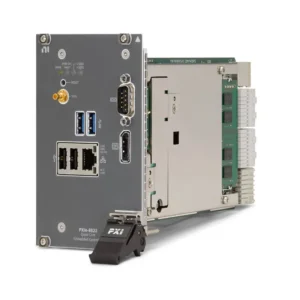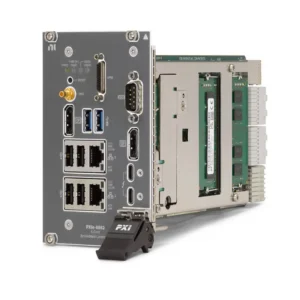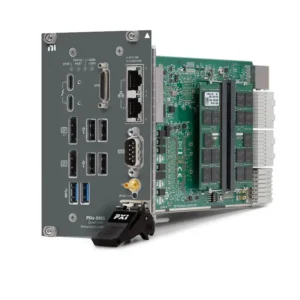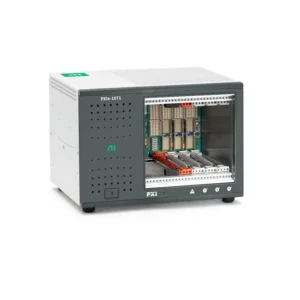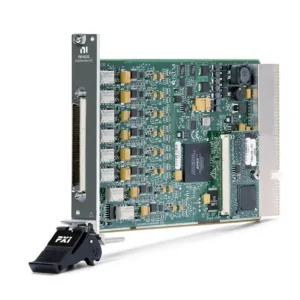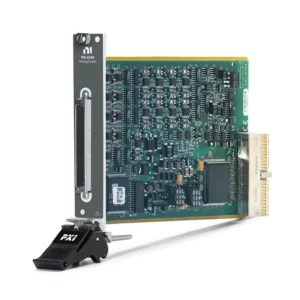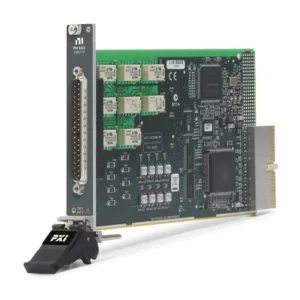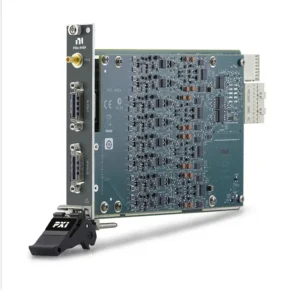




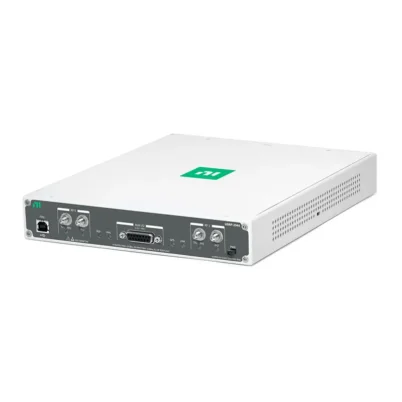
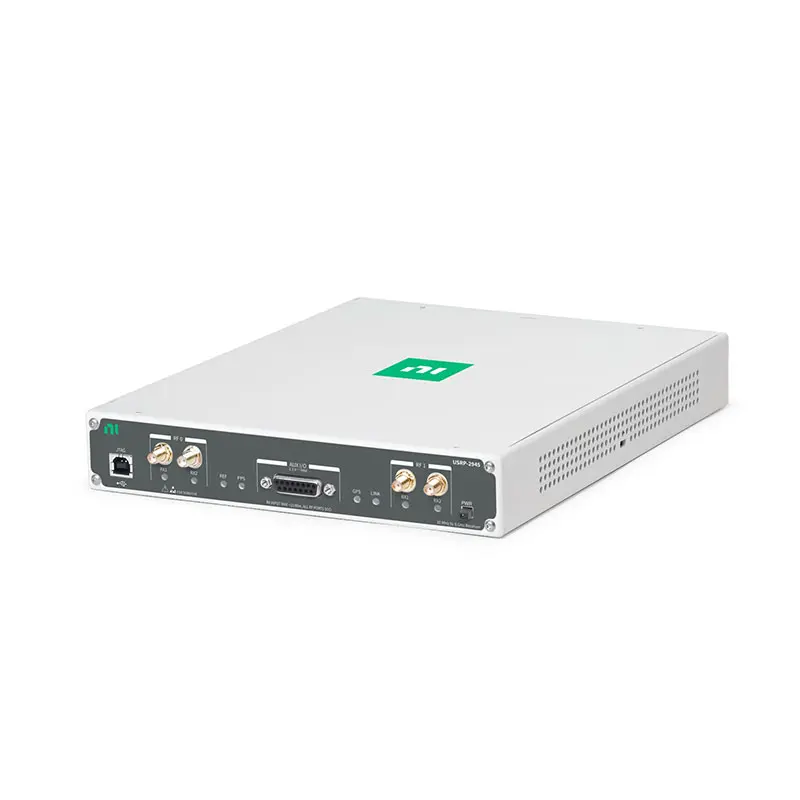
NI USRP-2945 Software Defined Radio SDR Device
The NI USRP-2945 is a high-performance software defined radio (SDR) platform designed for advanced wireless communication research, MIMO development, RF testing, radar applications, and complex signal processing experiments. Developed by National Instruments, the USRP-2945 combines multi-channel RF capability, FPGA-based processing, and software-defined architecture to provide a flexible wireless prototyping platform.
The USRP-2945 enables engineers and researchers to design, prototype, and validate advanced communication systems. With multiple RF channels, high-speed data streaming, and real-time FPGA processing capability, it provides the performance required for demanding wireless research and industrial R&D applications.
Supporting NI LabVIEW, UHD, GNU Radio, and other development environments, the USRP-2945 is widely used in universities, research laboratories, and communication technology companies for next-generation wireless system development.
Key Features of NI USRP-2945
High-Performance Multi-Channel SDR Architecture
The USRP-2945 provides a flexible multi-channel software defined radio platform for advanced RF and communication applications.
- Multi-channel RF transceiver capability
- Software-defined radio architecture
- Flexible waveform implementation
- Advanced wireless system prototyping
- High-performance RF experimentation
FPGA-Based Real-Time Signal Processing
The USRP-2945 integrates FPGA processing technology to support customized algorithms and real-time RF processing.
- Real-time FPGA processing
- Custom hardware acceleration
- Low-latency signal processing
- Advanced communication algorithm development
MIMO and Wireless Communication Development
The USRP-2945 is designed for advanced wireless communication research requiring multiple synchronized RF channels.
- MIMO system development
- Wireless protocol research
- 5G communication testing
- Advanced RF experimentation
High-Speed Data Streaming Capability
The USRP-2945 provides high-speed interfaces for transferring large volumes of RF data between the SDR platform and host computer.
- High-throughput RF data transfer
- Real-time streaming
- Large bandwidth signal processing
- Advanced measurement applications
Comprehensive Software Ecosystem
The USRP-2945 supports multiple software platforms for flexible SDR application development.
- NI LabVIEW support
- UHD driver support
- GNU Radio compatibility
- MATLAB integration
- Python and C++ development
Applications of NI USRP-2945
5G and Wireless Communication Research
The USRP-2945 provides a powerful platform for developing and testing advanced wireless communication technologies.
- 5G communication research
- MIMO algorithm development
- Wireless protocol validation
- Next-generation network research
RF Testing and Measurement
The USRP-2945 supports advanced RF testing and communication system analysis.
- RF signal generation
- Receiver testing
- Transmitter validation
- Spectrum analysis
Radar and Sensing Systems
The USRP-2945 provides flexible RF processing capability for radar and sensing research.
- Radar prototyping
- Signal processing research
- Sensing algorithm development
- Wireless sensing applications
Academic and Industrial R&D
The USRP-2945 is widely used in research institutions and industrial development environments.
- University laboratories
- Communication research
- Prototype validation
- Advanced RF development
Software Support
The NI USRP-2945 supports multiple software platforms for SDR programming and wireless system development.
- LabVIEW
- UHD (USRP Hardware Driver)
- GNU Radio
- MATLAB
- Python
- C++
Technical Specifications of USRP-2945
| Feature | Description |
|---|---|
| Product Type | Software Defined Radio (SDR) Device |
| Platform | NI USRP RIO |
| RF Capability | Multi-Channel RF Transceiver |
| Processing | FPGA-Based Real-Time Processing |
| Software | LabVIEW, UHD, GNU Radio, MATLAB |
| Applications | 5G, MIMO, RF testing, radar, wireless research |
Comparison with Similar USRP SDR Devices
| Model | Main Difference | Best Application |
|---|---|---|
|
NI USRP-2945 | High-performance multi-channel USRP RIO SDR platform designed for advanced wireless and RF research. | MIMO, 5G, advanced communication systems |
|
NI USRP-2955 | Higher-performance USRP RIO SDR platform designed for demanding RF research and advanced signal processing. | Advanced wireless and radar development |
|
NI USRP-2944 | Flexible USRP RIO SDR platform for wireless communication prototyping and RF testing. | General RF research and communication development |
|
NI USRP-2954R | Advanced USRP RIO platform with enhanced RF capability for complex wireless applications. | High-performance wireless research |
Recommended Related Products
The following products are commonly used with the USRP-2945 to build complete SDR development and advanced RF research systems.
|
NI USRP-2955 | High-performance USRP RIO SDR platform for advanced wireless communication and RF testing applications. |
|
NI USRP-2944 | Flexible SDR platform for wireless communication research and RF prototyping. |
|
Ettus USRP X410 | Next-generation wideband SDR platform for advanced 5G/6G and RF research applications. |
|
Ettus USRP N320 | Networked SDR platform for distributed wireless systems and high-performance RF applications. |
|
Ettus USRP B210 | Compact SDR platform for portable wireless development and research projects. |
Why Choose NI USRP-2945
- High-performance multi-channel SDR architecture
- FPGA-based real-time signal processing
- Supports MIMO and next-generation wireless research
- Compatible with multiple SDR software platforms
- Flexible RF prototyping capability
- Ideal for academic and industrial R&D applications
Conclusion
The NI USRP-2945 Software Defined Radio Platform provides a powerful and flexible solution for engineers developing advanced wireless communication and RF systems.
With multi-channel RF capability, FPGA processing, and comprehensive software support, the USRP-2945 is an excellent choice for 5G research, MIMO development, radar applications, RF testing, and next-generation communication system prototyping.