



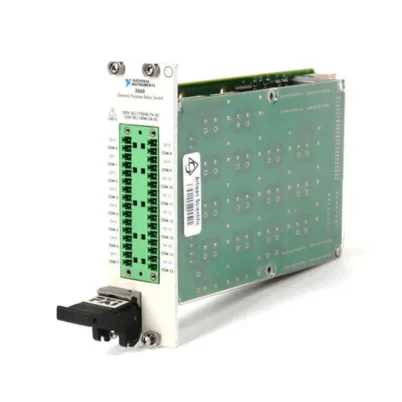
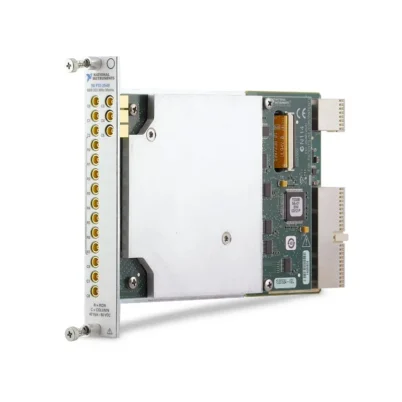
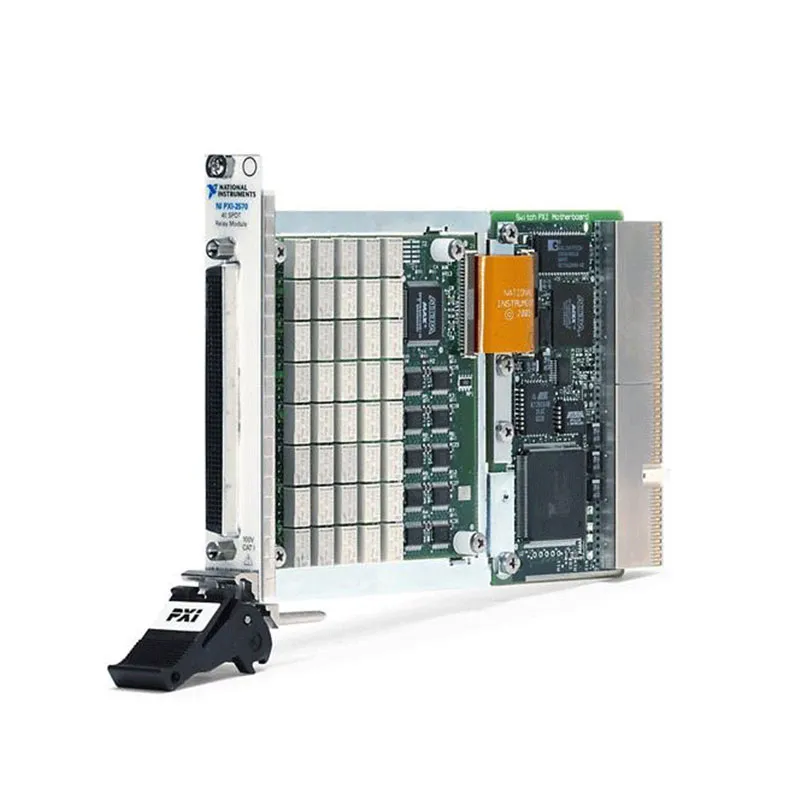
Product Introduction
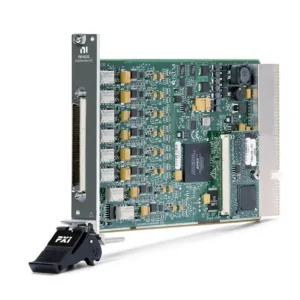
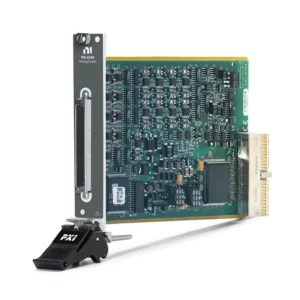
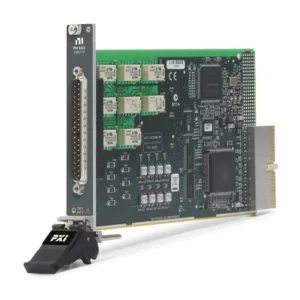
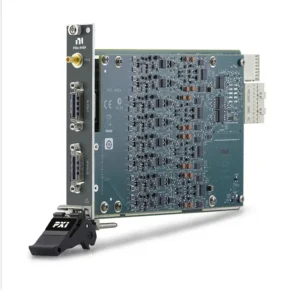
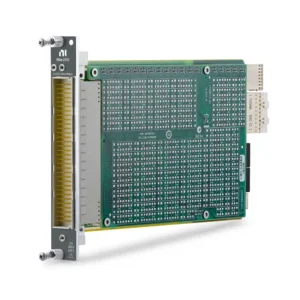
The NI PXI-2570 is a high-density general-purpose PXI relay module designed for automated test equipment (ATE), signal routing, device control, production testing, and laboratory automation. It provides 40 independent SPDT (Single-Pole Double-Throw) relay channels in a compact PXI module.
The PXI-2570 uses latching electromechanical armature relays, allowing each common terminal to be connected to either a normally open or normally closed contact. Its high channel density and flexible SPDT architecture make it suitable for automated systems requiring independent switching between multiple signal paths.
Product Overview
The NI PXI-2570 is designed for general-purpose relay switching applications where engineers need multiple independently controlled SPDT channels within a modular PXI test platform.
The module contains 40 latching SPDT electromechanical relays. Each channel includes common (COM), normally open (NO), and normally closed (NC) connections, allowing a signal to be programmatically routed between two alternative paths.
Compared with SPST switching modules, the SPDT architecture provides additional routing flexibility for automated test fixtures, DUT selection, signal-path configuration, redundant circuit switching, and other applications requiring one signal to be switched between two destinations.
Key Features
40 Independent SPDT Relay Channels
The PXI-2570 provides 40 independent relay channels for high-density automated switching.
- 40 independent relay channels
- SPDT switching topology
- Individual software control
- High-density PXI architecture
- Automated signal routing
Advantage: Forty independent channels allow a large number of switching functions to be consolidated into a single PXI module.
SPDT Switching Architecture
Each PXI-2570 relay uses a Single-Pole Double-Throw configuration.
- Common terminal
- Normally open contact
- Normally closed contact
- Two alternative signal paths
- Flexible routing configurations
Advantage: SPDT switching allows each common connection to be routed between two different circuits, providing greater flexibility than conventional SPST switching.
Latching Electromechanical Relays
The PXI-2570 uses armature latching electromechanical relays.
- Electromechanical relay technology
- Latching relay operation
- Physical contact switching
- Stable relay states
- General-purpose signal routing
Advantage: Latching relays maintain their switched state without requiring continuous coil power, helping reduce relay-drive power and heat generation during static routing configurations.
Independent COM, NO and NC Connections
Each relay channel provides the three connections associated with an SPDT topology.
- COM connection
- Normally open connection
- Normally closed connection
- Software-selectable routing
- Independent channel configuration
Advantage: Engineers can easily implement alternative signal paths, bypass circuits, DUT selection, and other switching arrangements.
High-Density General-Purpose Switching
With 40 SPDT channels, the PXI-2570 is designed for applications requiring many independent switching points.
- Automated test fixtures
- Production test systems
- Multi-DUT switching
- Signal-path selection
- Equipment control
Advantage: High switching density can reduce the number of modules and PXI slots required to implement complex automated test fixtures.
LFH 200-Pin Connectivity
The PXI-2570 uses an LFH 200-pin front-panel connector for connecting the relay channels to external devices and test fixtures.
- LFH 200-pin connector
- High-density signal connectivity
- External cable and terminal-block integration
- Automated fixture connectivity
- Compact front-panel interface
Advantage: High-density connectivity allows the large number of SPDT relay terminals to be integrated into automated test fixtures without requiring excessive front-panel space.
Software-Controlled Relay Operation
Relay channels can be controlled programmatically as part of an automated measurement or test sequence.
- Programmatic relay control
- Automated switching sequences
- Channel-by-channel operation
- Test sequence integration
- Dynamic routing configuration
Advantage: Switching configurations can automatically change according to DUT type, measurement step, test condition, or production sequence.
Relay Scan List Support
The PXI-2570 supports scan-list-based switching for automated channel sequencing.
- Relay scan lists
- Automated switching sequences
- Multi-channel routing
- Measurement sequencing
- Production test automation
Advantage: Scan lists simplify repetitive switching operations in systems where instruments must sequentially connect to multiple test points.
Relay Cycle Tracking
The PXI-2570 architecture maintains relay cycle-count information that can assist with switch-system maintenance.
- Relay cycle counts
- Maintenance planning
- Switch usage monitoring
- Lifecycle management
- ATE reliability management
Advantage: Monitoring relay usage helps engineers identify heavily used switching paths and develop preventive maintenance strategies.
PXI System Integration
The PXI-2570 can operate alongside other PXI instruments in complete automated test and measurement systems.
- PXI modular architecture
- DMM integration
- DAQ integration
- Power supply integration
- Automated multi-instrument testing
Advantage: Signal switching and measurement instruments can be integrated into the same modular platform and controlled from a unified test application.
NI-SWITCH Software Support
The PXI-2570 is supported by NI-SWITCH for software-controlled switching and routing.
- NI-SWITCH driver support
- LabVIEW integration
- Programmatic relay control
- Automated routing
- Test system development
Advantage: NI-SWITCH provides standardized software control for integrating the PXI-2570 into automated test applications.
Technical Specifications
| Parameter | Description |
|---|---|
| Product Type | PXI General-Purpose Relay Module |
| Number of Channels | 40 |
| Switch Topology | 40-SPDT |
| Relay Configuration | Single-Pole Double-Throw |
| Relay Technology | Electromechanical Armature Relay |
| Relay Operation | Latching |
| Channel Connections | COM, NO and NC |
| Front Connector | LFH 200-Pin |
| Relay Scan Lists | Supported |
| Relay Cycle Tracking | Supported |
| Platform | PXI |
| Driver | NI-SWITCH |
| Primary Applications | Signal Routing, ATE Switching, DUT Selection, Fixture Control and Automated Test |
Switching Architecture
The PXI-2570 uses a 40-SPDT topology. Each relay channel contains three primary connections:
| Connection | Function |
|---|---|
| COMx | Common terminal associated with the corresponding relay channel |
| NCx | Normally closed signal connection |
| NOx | Normally open signal connection |
This architecture allows each COM terminal to be routed to either its corresponding NC or NO terminal, providing 40 independently configurable two-path switching channels.
Software Ecosystem
The NI PXI-2570 can be integrated with NI software tools for relay control, route configuration, test sequencing, and automated measurement.
- NI-SWITCH: Provides the primary software interface for controlling PXI-2570 relay channels and switching operations.
- NI Switch Executive: Can simplify route management in larger automated switching systems by allowing engineers to define logical signal routes.
- LabVIEW: Enables development of customized switching, measurement routing, fixture control, and automated test applications.
- TestStand: Allows relay operations to be coordinated with other measurements and stimulus functions during automated test sequences.
- NI MAX: Supports hardware identification, configuration, and system-level device management.
Industries
- Automated Test Equipment
- Electronic Manufacturing
- Semiconductor Testing
- Automotive Electronics
- Aerospace and Defense
- Industrial Automation
- Research and Development
- Laboratory Automation
Applications
Automated Test Equipment
The PXI-2570 is suitable for ATE systems requiring multiple independent switching paths between devices under test and measurement instruments.
- Automated DUT routing
- Test point selection
- Measurement path switching
- Production test fixtures
- Functional test systems
DUT Signal Routing
Each SPDT channel can select between two alternative signal paths, making the PXI-2570 useful for automated DUT routing.
- Alternative DUT connections
- Test instrument selection
- Signal-path configuration
- Automated connection changes
Multi-DUT Testing
Multiple relay channels can be used to route test instrumentation between different devices or test points.
- Multiple DUT selection
- Parallel test fixture management
- Production test automation
- Sequential device testing
DMM Measurement Routing
The PXI-2570 can be combined with compatible PXI digital multimeters to automate signal routing for electrical measurements.
- Voltage measurement routing
- Resistance measurement routing
- Multi-point testing
- Automated electrical characterization
DAQ Signal Routing
The module can route compatible signals between test points and data acquisition hardware.
- DAQ channel routing
- Sensor selection
- Measurement path configuration
- Automated data acquisition systems
Test Fixture Control
The 40 independent SPDT relays can implement configurable switching functions within automated test fixtures.
- Fixture routing
- Connection selection
- Test mode switching
- Automated hardware configuration
Redundant Signal Path Selection
The SPDT topology can be used where a common signal must be selected between primary and alternative electrical paths.
- Primary/secondary path selection
- Redundant circuit testing
- Bypass routing
- Fault simulation
Comparison with Similar PXI Relay Modules
| Model | Main Difference | Best Application |
|---|---|---|
| NI PXI-2570 | 40-channel SPDT general-purpose switch using latching electromechanical relays. | High-density SPDT signal routing |
| NI PXI-2569 | 100-channel general-purpose SPST relay module providing substantially greater independent switching-point density. | High-density SPST switching |
| NI PXI-2571 | Related general-purpose relay module from the PXI-2570/2571 switch family with a different relay architecture and channel configuration. | Alternative general-purpose relay requirements |
| NI PXI-2522 | 53-channel SPDT general-purpose relay module providing a different relay density and switching architecture. | High-density SPDT ATE switching |
Recommended Related Products
| NI PXI-2569 | 100-channel SPST relay module for automated systems requiring a larger number of independent on/off switching points. |
| NI PXI-2522 | High-density SPDT general-purpose relay module for automated signal routing and load switching applications. |
| NI PXI-2532B | High-density matrix switch for applications requiring flexible row-to-column routing rather than independent SPDT channels. |
| NI PXI-4070 | PXI digital multimeter that can be combined with relay switching for automated multi-point electrical measurements. |
Why Choose PXI-2570?
- 40 independent SPDT relay channels
- 40-SPDT switching topology
- Latching electromechanical armature relays
- COM, NO and NC connections for every channel
- High-density general-purpose switching
- LFH 200-pin front-panel connectivity
- Relay scan-list support
- Relay cycle-count tracking
- Software-controlled switching
- NI-SWITCH driver support
- PXI modular system integration
- Ideal for ATE and automated signal routing
Frequently Asked Questions
What is the NI PXI-2570?
The NI PXI-2570 is a 40-channel general-purpose PXI relay module designed for automated signal routing, ATE, DUT selection, test fixture control, and laboratory automation.
How many relay channels does the PXI-2570 have?
The PXI-2570 provides 40 independent relay channels.
What switching topology does the PXI-2570 use?
The PXI-2570 uses a 40-SPDT topology. Each channel provides a common connection that can be switched between normally open and normally closed contacts.
Does the PXI-2570 use SPDT or SPST relays?
The PXI-2570 uses SPDT relays. This allows each common terminal to be routed between two alternative signal paths rather than simply opening or closing a single circuit.
Are the PXI-2570 relays latching?
Yes. The PXI-2570 uses latching electromechanical armature relays.
What connector does the PXI-2570 use?
The PXI-2570 uses a high-density LFH 200-pin front-panel connector. Compatible cabling or terminal accessories should be selected according to the test fixture and application requirements.
Does the PXI-2570 support relay cycle tracking?
Yes. The PXI-2570 stores relay cycle-count information that can assist with relay lifecycle monitoring and preventive maintenance planning.
Can the PXI-2570 be used with a PXI digital multimeter?
Yes. The PXI-2570 can be incorporated into an automated PXI measurement system to route compatible DUT signals to a PXI digital multimeter or other measurement instrument.
What is the difference between PXI-2570 and PXI-2569?
The primary difference is switching topology and channel density. The PXI-2570 provides 40 SPDT channels for selecting between alternative signal paths, while the PXI-2569 provides 100 SPST channels for high-density independent on/off switching. The correct module depends on whether the application requires SPDT routing flexibility or maximum SPST switching density.
What is the difference between PXI-2570 and PXI-2522?
Both are general-purpose PXI relay modules with SPDT switching capability, but they use different relay architectures and channel configurations. The PXI-2570 provides 40 latching SPDT channels, while the PXI-2522 provides a different high-density SPDT switching architecture. Relay type, channel count, electrical ratings, connector requirements, and switching performance should be compared before selecting a module.
What software supports the PXI-2570?
The PXI-2570 is supported by NI-SWITCH for programmatic relay control and can be incorporated into compatible LabVIEW, TestStand, NI Switch Executive, and other NI-based automated test applications.
Conclusion
The NI PXI-2570 40-channel SPDT relay module provides a high-density general-purpose switching solution for automated test equipment, signal routing, DUT selection, production testing, and laboratory automation. With 40 independent SPDT channels, latching electromechanical relays, COM/NO/NC connectivity, relay scan support, cycle-count tracking, LFH 200-pin connectivity, and NI-SWITCH integration, the PXI-2570 is well suited for PXI test systems requiring flexible and programmable signal-path selection.