



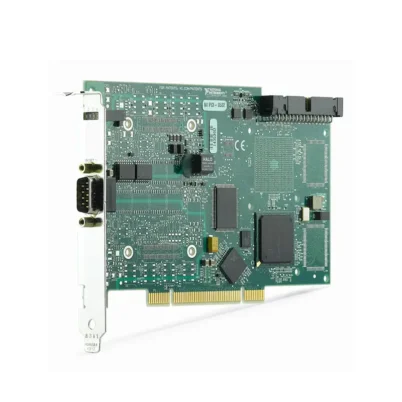
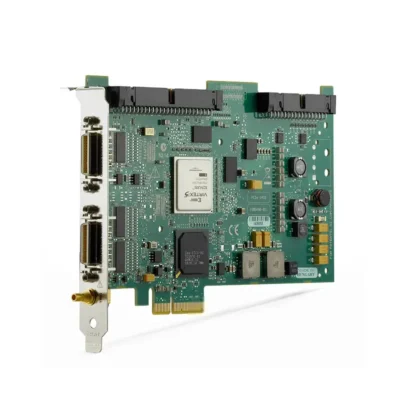
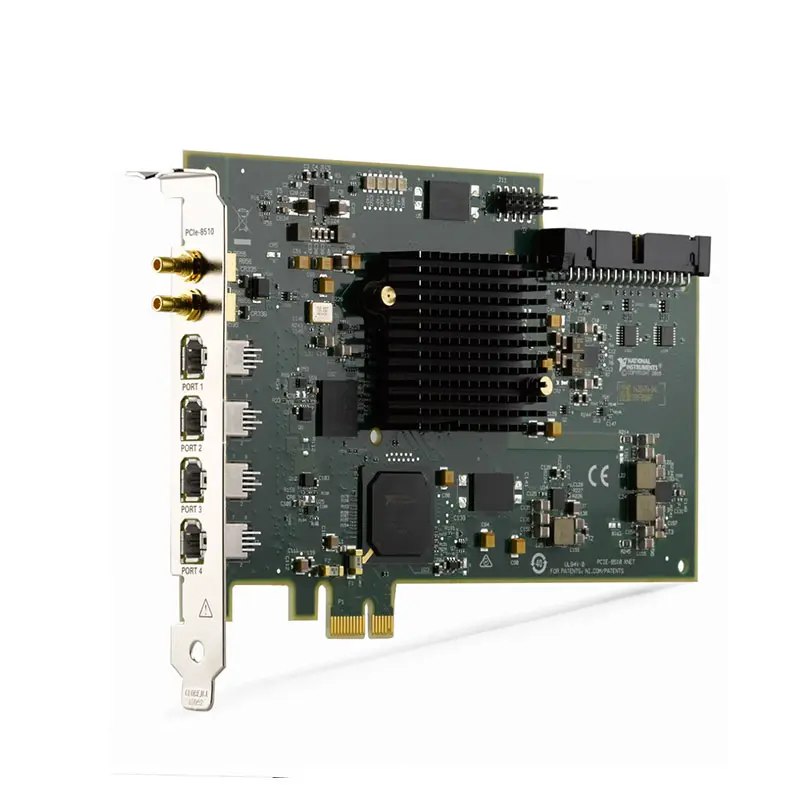
Product Introduction
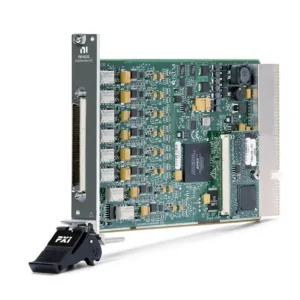
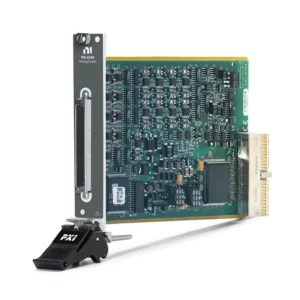
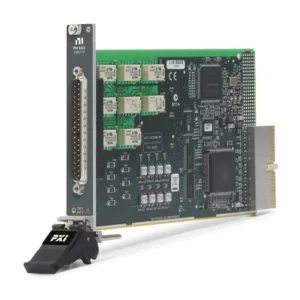
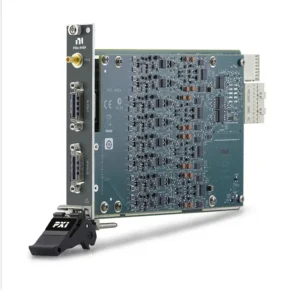
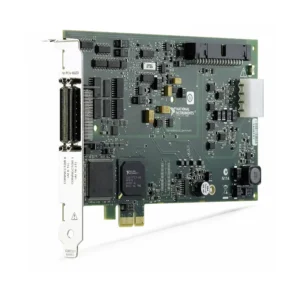
The NI PCIe-8510 is a PCI Express vehicle network interface designed for High-Speed CAN communication in automotive testing, ECU development, hardware-in-the-loop (HIL) simulation, network monitoring, data logging, and automated validation systems.
Featuring two CAN interfaces, NI-XNET software integration, hardware-timed communication, onboard processing, and PCI Express connectivity, the PCIe-8510 provides a high-performance platform for engineers who need to integrate CAN communication directly into desktop or industrial PC-based test systems.
Product Overview
The NI PCIe-8510 belongs to the NI-XNET vehicle network interface family and is designed for communicating with High-Speed CAN networks from a compatible PCI Express host computer.
The two-port architecture allows engineers to connect a single test computer to two independent CAN networks. This is particularly useful for ECU validation, gateway testing, vehicle subsystem development, and automated test applications where multiple network segments must be accessed simultaneously.
When combined with NI-XNET, the PCIe-8510 supports frame- and signal-oriented vehicle network applications and can be incorporated into larger LabVIEW, VeriStand, and TestStand-based test systems.
Key Features
2-Port High-Speed CAN Interface
The PCIe-8510 provides two vehicle network ports for High-Speed CAN communication.
- 2 CAN interfaces
- High-Speed CAN physical layer
- Independent network connections
- CAN frame transmission and reception
- Automotive ECU communication
Advantage: Two independent ports allow one interface card to communicate with multiple CAN networks, which is particularly useful for gateway, ECU, and multi-bus vehicle testing.
PCI Express Host Interface
The PCIe-8510 uses PCI Express for integration into compatible desktop and industrial computers.
- PCI Express architecture
- Desktop workstation integration
- Industrial PC integration
- High-performance host communication
- PC-based automated testing
Advantage: Provides NI-XNET vehicle network functionality without requiring a PXI chassis, making it suitable for PC-based development and automated test stations.
High-Speed CAN Communication
The PCIe-8510 is designed for High-Speed CAN networks commonly used throughout automotive and embedded electronic systems.
- High-Speed CAN communication
- ECU network interfacing
- Vehicle bus communication
- Automated CAN testing
- Embedded network development
Advantage: Enables engineers to communicate directly with CAN-based controllers, gateways, sensors, actuators, and other electronic devices.
NI-XNET Architecture
The PCIe-8510 is supported by NI-XNET, NI’s high-performance vehicle network interface software architecture.
- NI-XNET driver support
- Frame-based communication
- Signal-based communication
- Database-based network applications
- Automated CAN testing
Advantage: NI-XNET provides a standardized software environment for CAN communication, simulation, monitoring, data logging, and automated test development.
CAN Frame Transmission and Reception
The PCIe-8510 can transmit and receive CAN frames for active communication with electronic control units and other network nodes.
- CAN frame transmission
- CAN frame reception
- Message monitoring
- Network traffic generation
- Automated communication sequences
Advantage: The same interface can be used for active ECU communication, network simulation, monitoring, and validation.
Signal-Based CAN Communication
NI-XNET allows applications to work with engineering-level CAN signals in addition to raw network frames.
- Signal-level communication
- Database-defined signals
- Engineering value conversion
- Automated signal generation
- Signal acquisition and logging
Advantage: Engineers can work directly with meaningful vehicle parameters instead of manually decoding every CAN frame in application software.
Database Integration
The NI-XNET environment supports database-driven vehicle network applications.
- CAN database integration
- Frame definitions
- Signal definitions
- Engineering scaling
- Reusable network configurations
Advantage: Database integration simplifies the development and maintenance of complex automotive CAN test applications.
Onboard Processing Architecture
The NI-XNET architecture uses dedicated hardware resources to perform vehicle network communication efficiently.
- Onboard network processing
- Efficient message handling
- Reduced host CPU overhead
- Deterministic network operations
- High-performance automated testing
Advantage: Offloading network operations from the host processor leaves additional computing resources available for simulation models, measurement processing, visualization, and test automation.
DMA-Based Data Transfer
NI-XNET interfaces use efficient direct memory access techniques for transferring network data between the interface hardware and host application.
- DMA-based data transfer
- Efficient network streaming
- Reduced CPU interrupt overhead
- Low-latency communication
- High-throughput data acquisition
Advantage: Efficient data movement is valuable in applications involving continuous network monitoring, data logging, HIL simulation, and multiple simultaneous CAN sessions.
Hardware Timing and Synchronization
The PCIe-8510 can be incorporated into synchronized automated test systems where CAN communication must be coordinated with measurements or stimulus.
- Hardware-timed CAN communication
- Trigger-based test sequences
- Measurement synchronization
- Multi-device coordination
- Automated event correlation
Advantage: CAN traffic can be correlated with analog, digital, and other measurement data during ECU and system-level validation.
Multi-Network ECU Testing
The two-port architecture is particularly useful when a device under test communicates with more than one CAN network.
- Dual-network ECU testing
- Gateway validation
- Network-to-network communication testing
- Multi-bus monitoring
- Vehicle subsystem validation
Advantage: A single PCI Express card can simultaneously interface with separate CAN network segments.
NI-XNET Software Support
NI-XNET provides the primary software interface for configuring and controlling the PCIe-8510.
- NI-XNET API
- LabVIEW integration
- VeriStand integration
- TestStand integration
- Vehicle network monitoring
Advantage: Provides a mature software ecosystem for developing CAN communication and automated automotive test applications.
Technical Specifications
| Parameter | Description |
|---|---|
| Product Type | PCI Express Vehicle Network Interface Device |
| Network Type | High-Speed CAN |
| Number of Ports | 2 |
| Host Interface | PCI Express |
| CAN Communication | Frame and Signal-Based Communication |
| Network Database Support | Supported Through NI-XNET |
| Hardware-Timed Communication | Supported |
| Onboard Network Processing | Supported |
| DMA Data Transfer | Supported |
| Multi-Network Operation | Supported Through Two CAN Ports |
| Driver | NI-XNET |
| Platform | PCI Express |
| Primary Applications | ECU Testing, HIL Simulation, CAN Monitoring, Data Logging and Automotive Validation |
Software Ecosystem
The NI PCIe-8510 integrates with the NI vehicle network and automated test software ecosystem for CAN communication, simulation, monitoring, logging, and validation.
- NI-XNET: Provides the primary driver and programming API for CAN frame and signal communication.
- LabVIEW: Enables graphical development of CAN monitoring, data logging, ECU communication, visualization, and automated test applications.
- NI VeriStand: Supports integration of vehicle network communication into real-time validation and hardware-in-the-loop systems.
- TestStand: Allows CAN communication functions to be incorporated into automated production and validation sequences.
- NI-XNET Bus Monitor: Provides tools for monitoring and troubleshooting CAN network traffic during system development and validation.
Industries
- Automotive Electronics
- Electric Vehicle Testing
- ECU Development
- Automated Test Equipment
- Aerospace and Defense
- Heavy Vehicle Testing
- Embedded Systems
- Research and Development
Applications
Automotive ECU Testing
The PCIe-8510 can communicate with CAN-enabled ECUs during development, characterization, validation, and production testing.
- ECU functional testing
- CAN communication verification
- Message validation
- Signal-level testing
- Automated ECU test sequences
Hardware-in-the-Loop Testing
The PCIe-8510 can be incorporated into HIL systems requiring CAN communication between simulated vehicle environments and electronic controllers.
- ECU HIL validation
- Vehicle network simulation
- Controller response testing
- Automated fault scenarios
- Real-time system validation
CAN Gateway Testing
The two-port architecture makes the PCIe-8510 useful for testing devices that transfer information between separate CAN networks.
- Gateway functional testing
- Dual-network communication
- Message forwarding validation
- Network isolation testing
- Automated gateway characterization
CAN Bus Monitoring
The PCIe-8510 can monitor network traffic during ECU development, system integration, debugging, and vehicle testing.
- CAN frame monitoring
- Signal monitoring
- Network traffic analysis
- Communication troubleshooting
- Vehicle bus diagnostics
Vehicle Network Data Logging
NI-XNET allows CAN network traffic to be acquired and recorded for offline analysis.
- CAN frame logging
- Signal data recording
- Long-duration network monitoring
- Vehicle development testing
- Fault investigation
Electric Vehicle Testing
The PCIe-8510 can be used in automated systems for CAN-enabled EV controllers and electronic subsystems.
- Battery system communication testing
- Power electronics controller testing
- Vehicle control unit validation
- Charging subsystem testing
- CAN network monitoring
Production Testing
The PCIe-8510 can be incorporated into manufacturing test stations for electronic products containing High-Speed CAN interfaces.
- End-of-line testing
- CAN communication verification
- Electronic assembly validation
- Automated pass/fail testing
- ECU production testing
Automated Network Simulation
The interface can generate and receive CAN traffic to simulate network nodes and test DUT behavior.
- Network node simulation
- CAN message generation
- ECU environment simulation
- Response validation
- Automated communication testing
Comparison with Similar NI Vehicle Network Interfaces
| Model | Main Difference | Best Application |
|---|---|---|
| NI PCIe-8510 | PCI Express NI-XNET interface with two High-Speed CAN ports for PC-based automotive test systems. | Dual-port PC-based High-Speed CAN testing |
| NI PCI-8512 | PCI-based NI-XNET High-Speed CAN interface for systems using the conventional PCI expansion bus. | Legacy PCI-based CAN test systems |
| NI PCI-8513 | Software-selectable CAN interface designed for applications requiring additional flexibility in CAN physical-layer selection. | Multi-standard CAN test applications |
| NI PXI-8512 | PXI-based High-Speed CAN interface for modular PXI automated test and HIL platforms. | PXI-based CAN testing |
Recommended Related Products
| NI PCI-8512 | NI-XNET High-Speed CAN interface for automated test computers using the conventional PCI architecture. |
| NI PCI-8513 | Software-selectable CAN interface for automotive test systems requiring greater CAN physical-layer flexibility. |
| NI PXI-8512 | High-Speed CAN interface for users building modular PXI automotive validation and HIL systems. |
| NI PXI-8513 | PXI software-selectable CAN interface for multi-network automotive and ECU validation systems. |
Why Choose PCIe-8510?
- 2 High-Speed CAN interfaces
- PCI Express host architecture
- NI-XNET software integration
- CAN frame and signal communication
- Vehicle network database support
- Hardware-timed network operation
- Onboard network processing
- Efficient DMA data transfer
- Dual-network ECU and gateway testing
- Suitable for HIL applications
- Ideal for CAN monitoring and data logging
- Designed for PC-based automotive test systems
Frequently Asked Questions
What is the NI PCIe-8510?
The NI PCIe-8510 is a PCI Express vehicle network interface device that provides two High-Speed CAN ports for automotive ECU testing, HIL simulation, CAN monitoring, network simulation, data logging, and automated validation.
How many CAN ports does the PCIe-8510 have?
The PCIe-8510 provides two CAN interfaces, allowing the host computer to communicate with two CAN networks.
What type of CAN does the PCIe-8510 support?
The PCIe-8510 is designed for High-Speed CAN communication. The physical-layer requirements of the DUT and network should always be verified before selecting a vehicle network interface.
Does the PCIe-8510 use NI-XNET?
Yes. The PCIe-8510 belongs to the NI-XNET vehicle network interface family and uses NI-XNET for configuration, CAN frame and signal communication, network databases, and automated testing.
Can the PCIe-8510 transmit and receive CAN messages?
Yes. The PCIe-8510 can transmit and receive CAN traffic, allowing it to communicate actively with ECUs as well as monitor network activity.
Can the PCIe-8510 be used for HIL testing?
Yes. The PCIe-8510 is suitable for hardware-in-the-loop and automated ECU validation systems that require High-Speed CAN communication.
Can the PCIe-8510 be used for gateway testing?
Yes. Its two-port architecture is particularly useful for gateway testing because separate CAN network segments can be connected to the same interface device.
Can the PCIe-8510 monitor CAN bus traffic?
Yes. The PCIe-8510 can be used with NI-XNET software tools and custom applications for CAN frame monitoring, signal acquisition, network analysis, and data logging.
What is the difference between PCIe-8510 and PCI-8512?
Both are NI vehicle network interfaces for CAN applications, but they use different host interfaces and hardware architectures. The PCIe-8510 is designed for PCI Express systems, while the PCI-8512 is designed for conventional PCI systems. The host computer architecture and required CAN capabilities should be considered when selecting between them.
What is the difference between PCIe-8510 and PXI-8512?
The primary difference is the system platform. The PCIe-8510 is intended for compatible desktop or industrial computers using PCI Express, while the PXI-8512 is designed for modular PXI test systems. PXI is typically preferred when CAN communication must be tightly integrated with a larger modular instrumentation platform.
Is PCIe-8510 suitable for automotive production testing?
Yes. The PCIe-8510 can be incorporated into automated production and end-of-line test systems to verify CAN communication, ECU functionality, network messages, and electronic subsystem behavior.
What software can be used with PCIe-8510?
The PCIe-8510 uses NI-XNET and can be integrated into compatible LabVIEW, VeriStand, TestStand, and custom NI-XNET applications.
What applications are best suited for PCIe-8510?
Typical applications include ECU testing, CAN gateway validation, HIL simulation, vehicle network monitoring, CAN data logging, EV controller testing, network simulation, embedded system development, and automated production testing.
Conclusion
The NI PCIe-8510 vehicle network interface provides a high-performance PC-based solution for High-Speed CAN communication and automotive test applications. With two CAN interfaces, PCI Express connectivity, NI-XNET integration, frame- and signal-based communication, hardware-timed operation, onboard processing, and efficient data transfer, the PCIe-8510 is well suited for ECU validation, HIL simulation, gateway testing, CAN monitoring, data logging, and automated vehicle electronics testing.