




Introduction
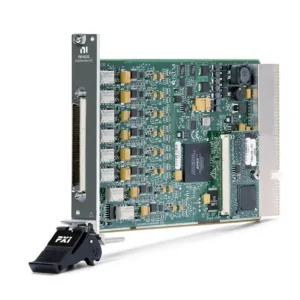
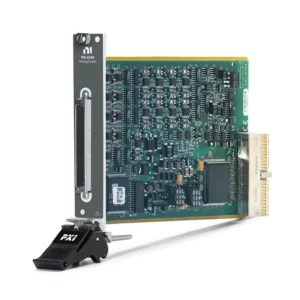
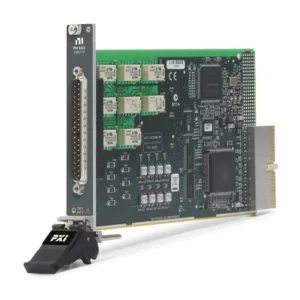
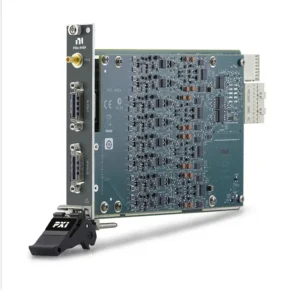
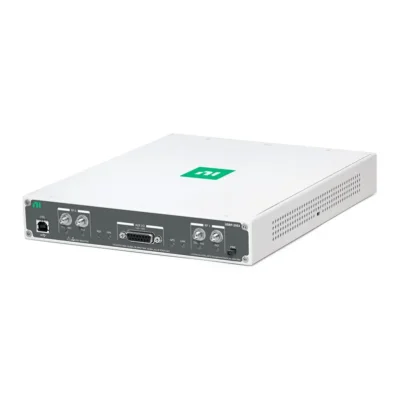
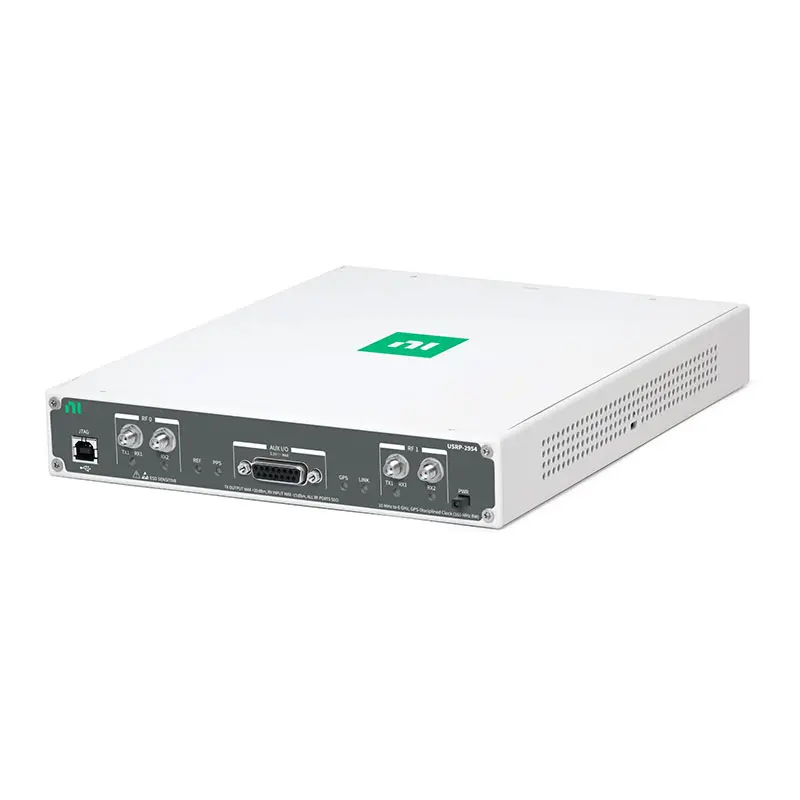
The NI USRP-2954 Software Defined Radio (SDR) is a high-performance RF development platform designed for advanced wireless communication research, MIMO system development, RF prototyping, and real-time signal processing applications. Developed by National Instruments based on Ettus Research USRP technology, the USRP-2954 provides a flexible and programmable radio architecture for engineers and researchers.
The USRP-2954 features a dual-channel RF transceiver architecture with high-speed connectivity and FPGA-based processing capability, enabling users to develop and test advanced communication systems, wireless protocols, radar applications, and custom RF algorithms.
With deep integration into the NI ecosystem, including NI-USRP drivers, LabVIEW, MATLAB, UHD, and GNU Radio support, the USRP-2954 provides a complete platform for rapid wireless system development and validation.
Key Features of NI USRP-2954
Dual-Channel Full-Duplex SDR Architecture
The USRP-2954 provides multiple RF channels for advanced wireless experiments and multi-antenna applications.
- 2 transmit channels
- 2 receive channels
- Full-duplex operation
- 2×2 MIMO capability
- Synchronized RF channels
The dual-channel architecture enables engineers to develop and evaluate MIMO communication systems, beamforming algorithms, and multi-antenna RF applications.
Wideband RF Transceiver Capability
The USRP-2954 provides flexible RF operation suitable for a wide range of wireless applications.
- Software-configurable RF parameters
- Wide frequency coverage
- High-quality signal transmission
- High-performance signal reception
- Support for custom wireless waveforms
The programmable RF architecture allows users to test different communication standards and develop customized wireless solutions.
Powerful FPGA-Based Signal Processing
The integrated FPGA provides real-time processing capability for demanding SDR applications.
- Real-time digital signal processing
- Digital up/down conversion
- Signal filtering
- Custom FPGA programming
- Hardware acceleration
FPGA processing reduces system latency and enables implementation of complex communication algorithms directly on the hardware.
High-Speed Connectivity
The USRP-2954 supports high-speed data transfer between the SDR device and host computer.
- Gigabit Ethernet connectivity
- High-throughput IQ data streaming
- Remote SDR operation
- Flexible system integration
NI Software Ecosystem Integration
The USRP-2954 is designed to work seamlessly with National Instruments software tools.
- NI-USRP Driver
- LabVIEW
- LabVIEW Communications
- UHD (USRP Hardware Driver)
- MATLAB
- GNU Radio
Applications of NI USRP-2954
5G and Wireless Communication Research
The USRP-2954 provides a flexible platform for developing and testing modern wireless communication systems.
- 5G waveform development
- Wireless protocol testing
- Communication algorithm validation
- RF system prototyping
- Advanced modulation research
MIMO and Beamforming Research
The 2×2 MIMO capability makes the USRP-2954 suitable for multi-antenna communication experiments.
- MIMO algorithm development
- Antenna system testing
- Channel measurement
- Beamforming research
- Spatial signal processing
RF Prototyping and Testing
Engineers use the USRP-2954 for rapid development and validation of RF systems.
- RF transmitter testing
- RF receiver evaluation
- Wireless system verification
- Communication prototype development
Radar and Signal Processing Applications
The combination of RF flexibility and FPGA processing makes the USRP-2954 suitable for radar and sensing research.
- Radar waveform testing
- Signal processing development
- RF sensing applications
- Real-time signal analysis
Academic and Laboratory Research
The USRP-2954 is widely used by universities and research institutions for advanced wireless communication education.
- SDR education
- Digital communication experiments
- RF engineering research
- Wireless technology demonstrations
Software Support and Integration
The USRP-2954 supports multiple software environments for SDR development and wireless research.
- NI-USRP Driver
- LabVIEW
- UHD
- GNU Radio
- MATLAB
- Python
- C/C++
The NI software ecosystem enables rapid hardware configuration, data acquisition, and application development for wireless systems.
Technical Specifications of USRP-2954
| Feature | Description |
|---|---|
| Platform Type | Software Defined Radio |
| RF Architecture | Dual-channel RF transceiver |
| RF Channels | 2 TX / 2 RX |
| MIMO Support | 2×2 MIMO capability |
| Connectivity | Gigabit Ethernet |
| Processing | FPGA-based real-time processing |
| Software | NI-USRP, LabVIEW, UHD, GNU Radio |
Comparison with Similar NI USRP Platforms
| Model | Main Difference | Best Application |
|---|---|---|
| USRP-2954 | Dual-channel SDR optimized for MIMO applications | Wireless research and RF prototyping |
| USRP-2953 | Similar SDR platform with different RF configuration | General RF development |
| USRP-2920 | Entry-level Ethernet SDR platform | Wireless education and research |
| USRP X310 | High-performance modular Ettus SDR | Advanced RF and large-scale research |
Compared with the USRP-2920 series, the USRP-2954 provides improved performance for advanced applications requiring multi-channel operation and MIMO capability. Compared with newer Ettus USRP platforms, it remains a reliable solution for NI LabVIEW-based SDR development and wireless communication research.
Why Choose NI USRP-2954
- 2×2 MIMO SDR capability
- Dual-channel full-duplex RF operation
- FPGA-based real-time processing
- High-speed Ethernet connectivity
- Strong integration with NI LabVIEW ecosystem
- Suitable for 5G and wireless research
- Ideal for RF prototyping and communication testing
Conclusion
The NI USRP-2954 Software Defined Radio is a powerful RF development platform designed for engineers and researchers working on advanced wireless communication, MIMO systems, and SDR applications.
With its dual-channel RF architecture, FPGA processing capability, flexible software support, and integration with NI development tools, the USRP-2954 provides an excellent solution for 5G research, wireless communication testing, RF prototyping, radar development, and academic research.