



Отображение 1–16 из 138

Фильтр по цене
Фильтровать по брендам

- Национальные инструменты
- Системы PXI
- PXI Шасси
- PXI Контроллер
- Модули PXI
- PXI Semiconductor Test
- PXI FPGA and RIO Modules
- PXI MXI Interfaces
- PXI Programmable Power Supplies & SMU
- PXI Sensor Measurements
- Генераторы сигналов PXI
- PXI Vision
- Сбор данных PXI
- Осциллографы/Цифровые преобразователи PXI
- PXI Счетчики/Таймеры
- PXI РЧ и беспроводное тестирование
- PXI GPIB, Ethernet and VXI
- PXI-коммутаторы
- Цифровые мультиметры PXI
- Цифровой ввод-вывод PXI
- Промышленная связь PXI
- Динамический анализ сигналов PXI
- Передача данных PXI
- CompactDAQ Systems
- CompactRIO Systems
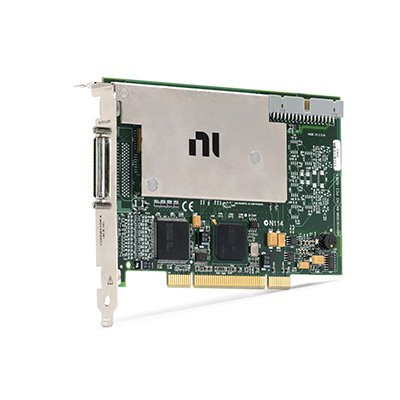
- PCI Modules
- USB Devices
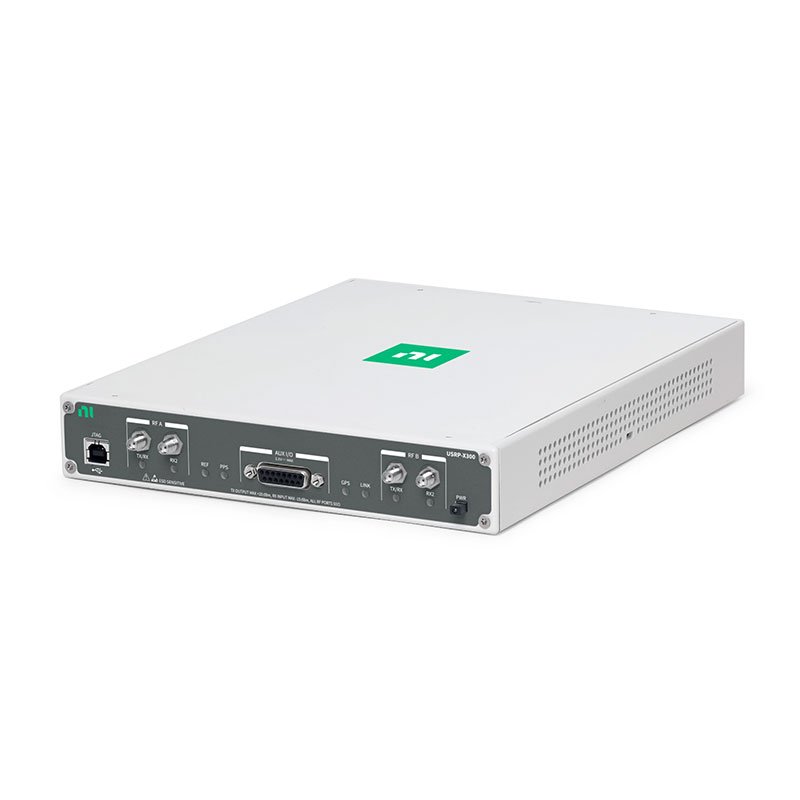
- Устройство программно-определяемого радио USRP
- Системы PXI
- ключи
- ТекТроникс


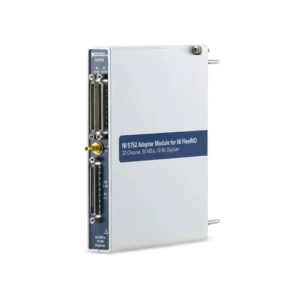

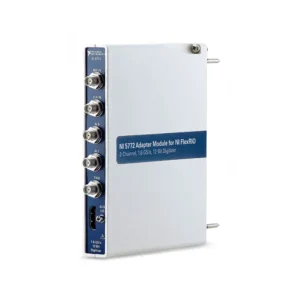
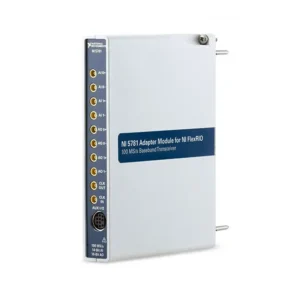
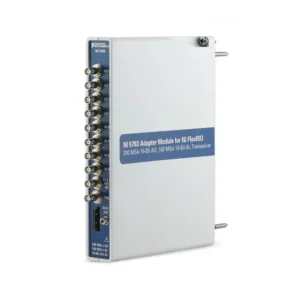
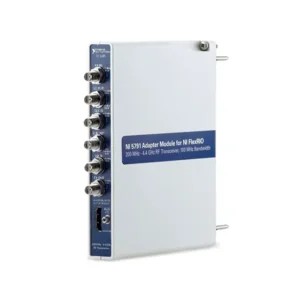
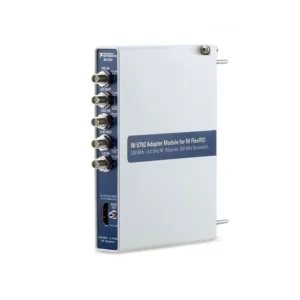
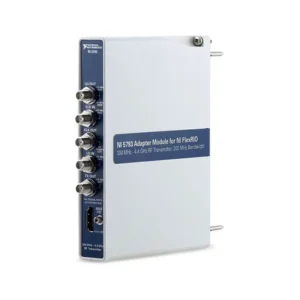
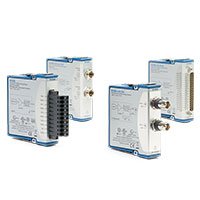
NI C Series Modules
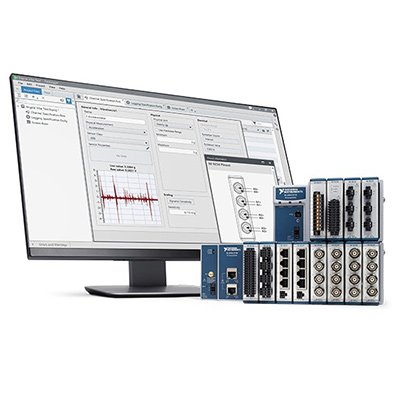
NI C Series modules are modular I/O devices for CompactDAQ and CompactRIO systems. They provide analog measurement, analog output, digital I/O, temperature measurement, dynamic-signal acquisition, communication, counter, motion, vision and specialized interface functions for test, monitoring, automation and embedded-control applications.
Each module is designed around a specific electrical interface or measurement architecture. Select the module from the actual sensor, signal, actuator or network requirement, then confirm compatibility with the selected chassis, controller, terminal accessories, software environment and system timing design.
C Series Module Categories
| Module Category | Primary Function | Typical Signals or Interfaces | Common Applications |
|---|---|---|---|
| Analog Input | Acquire voltage, current and conditioned sensor outputs | Voltage, current loop, strain conditioner output and process signals | Data logging, test systems, process monitoring and validation |
| Analog Output | Generate control and stimulus signals | Voltage, current and actuator-control commands | Control loops, simulation, setpoint generation and automated test |
| Digital Input and Output | Monitor and control discrete states | TTL, industrial logic, relays, switches, alarms and interlocks | Machine control, status monitoring and test sequencing |
| Temperature Measurement | Measure temperature sensors with appropriate conditioning | Thermocouples, RTDs, thermistors and temperature transmitters | Thermal testing, environmental monitoring and process validation |
| Dynamic Signal and High-Speed Input | Capture waveform and transient measurements | Dynamic voltage, vibration, sound, power and fast sensor signals | NVH, transient capture, power analysis and machinery diagnostics |
| Communication | Connect industrial, serial and vehicle networks | CAN, CAN FD, LIN, FlexRay, serial and Ethernet interfaces | ECU validation, industrial integration and network logging |
| Counter and Motion | Measure pulses and control motion-related interfaces | Encoders, tachometers, pulse trains, drives and limit signals | Positioning, motor testing, automation and event measurement |
| Vision, FPGA and Specialty I/O | Support application-specific embedded interfaces | Custom I/O, camera-related interfaces, timing and FPGA-oriented functions | Embedded systems, custom fixtures and deterministic control |
How to Select an NI C Series Module
1. Identify the Electrical Signal
Begin with the sensor, actuator or connected equipment documentation. Identify whether the required interface is voltage, current, thermocouple, RTD, bridge, digital logic, encoder, serial communication, CAN, Ethernet or another specialized signal type.
The measured physical parameter does not automatically identify the correct module. For example, pressure can be measured through a bridge sensor, a 4–20 mA transmitter, a conditioned voltage output or a digital network interface. Each requires different I/O hardware.
2. Match Signal Conditioning and Excitation
Many sensors need more than a basic input channel. Thermocouples require cold-junction compensation, RTDs require excitation and lead-resistance compensation, bridge sensors need excitation and completion, and IEPE sensors require constant-current power.
Confirm whether required conditioning is integrated into the module, provided by a terminal accessory or supplied by an external signal conditioner. Do not connect an externally powered sensor to a module excitation output without verifying the wiring and voltage limits.
3. Select the Required Range, Rate and Resolution
Choose an input or output range that accommodates normal signals, offsets and expected fault conditions. The smallest suitable measurement range generally provides better effective use of the available resolution.
For dynamic applications, define the required bandwidth first and then confirm the module sample rate, filtering and simultaneous-sampling architecture. Published ADC resolution alone does not determine practical measurement accuracy.
4. Determine Channel Count and Future Expansion
Count all required channels, including reference sensors, trigger inputs, diagnostic signals, spare I/O and future expansion. For mixed systems, identify whether every channel must be sampled or updated at the same time.
CompactDAQ and CompactRIO chassis have a defined number of C Series slots. Plan the module layout before purchase so the system has sufficient capacity and suitable channel grouping.
5. Review Isolation and Grounding
Isolation can help manage common-mode voltage, ground-potential differences and electrical noise. Confirm whether the application needs channel-to-channel isolation, bank isolation, isolated communication or a shared system reference.
Grounding, cable shielding, sensor placement and external power supplies affect system performance. Long cable runs, motors, relays, switching supplies and industrial equipment should be reviewed for potential ground-loop and noise issues.
6. Confirm Terminal Blocks and Cables
The module and its connectivity accessories should be treated as one measurement or control assembly. Terminal blocks and cables can provide sensor-specific wiring, cold-junction compensation, bridge completion, attenuation, isolation or connector conversion.
Verify the exact terminal block, pinout, connector type, wire count, shield connection and required cable length before ordering. A correct module with an unsuitable accessory may not support the intended application.
CompactDAQ and CompactRIO Compatibility
CompactDAQ Systems
CompactDAQ systems are designed for PC-based data acquisition, logging and portable measurement. They are often selected for sensor measurements, electrical test, environmental monitoring and automated validation where data is processed on a connected computer.
CompactRIO Systems
CompactRIO systems provide embedded real-time and FPGA-based architectures for deterministic monitoring, control and custom I/O processing. They are suitable for applications requiring fast response, machine integration, FPGA timing or autonomous operation.
Exact Module Support
Not every C Series module is supported by every CompactDAQ or CompactRIO chassis. Verify the exact module part number, chassis model, controller, operating system, driver version and intended software environment before finalizing the configuration.
Physical installation in a C Series slot does not by itself confirm software or functional compatibility. Always verify the complete hardware and driver combination.
Software and Synchronization
Supported CompactDAQ modules commonly use NI-DAQmx for configuration, acquisition, triggering, scaling and logging. CompactRIO applications can use NI software tools for real-time control, FPGA development and system-level I/O integration, depending on the selected controller and module.
For mixed-module systems, define how clocks, start triggers, timestamps and reference signals are shared. The timing requirement may be minimal for temperature logging but critical for vibration, power, motion, communication and control applications.
Applications with high channel counts or fast continuous acquisition should also verify controller performance, host memory, data-transfer bandwidth, file-writing method and available storage capacity.
Typical C Series Module Applications
- Multichannel sensor measurement and data logging
- Thermocouple, RTD and thermal-system monitoring
- Voltage, current, strain, force, pressure and torque testing
- Digital machine monitoring and industrial control
- Motor, encoder, counter and motion-control applications
- CAN, CAN FD, LIN, serial and vehicle-network logging
- Vibration, sound, dynamic waveform and transient measurements
- Embedded CompactRIO monitoring and FPGA-based processing
- Automotive, aerospace, energy and industrial validation
- Laboratory automation and custom test fixtures
C Series Module Procurement Guide
Provide the following information for accurate C Series module selection and quotation:
- Measured parameter, control task or communication requirement
- Sensor, actuator, drive, instrument or network-device manufacturer and model
- Electrical interface, signal range, output type and required excitation
- Required channel quantity, sample rate, bandwidth or update rate
- Need for simultaneous sampling, triggering or synchronization
- Isolation, grounding, common-mode and cable-length conditions
- Required terminal blocks, cables, connector adapters and accessories
- Existing CompactDAQ or CompactRIO chassis and controller model
- Operating system, NI driver and application-software version
- Required quantity, preferred product condition and delivery destination
Часто задаваемые вопросы
Can every C Series module be used in both CompactDAQ and CompactRIO?
No. Many modules are designed for one or both platforms, but exact support varies by module, chassis, controller and software version. Confirm compatibility by complete part number.
How do I choose between analog input and a dedicated sensor module?
Use a dedicated sensor module when the sensor needs functions such as excitation, cold-junction compensation, bridge completion, IEPE power or specialized demodulation. General analog input is appropriate when the signal is already conditioned and electrically compatible.
Why is the terminal block important?
The terminal block can provide signal routing, connector conversion, sensor-specific wiring and conditioning functions. The wrong accessory can reduce accuracy, prevent correct wiring or make the module unsuitable for the intended sensor.
Can I combine different C Series module types in one chassis?
Yes, mixed-module systems can combine analog, digital, temperature, communication and other I/O types. Confirm slot capacity, power, timing, software and synchronization requirements for the complete chassis.
Do I need FPGA programming for C Series modules?
FPGA development is generally relevant to CompactRIO applications requiring deterministic timing, custom I/O processing or fast control response. Standard CompactDAQ acquisition applications commonly use driver-based configuration and PC software.
Related NI Modular Platforms
Use CompactDAQ systems for PC-based modular acquisition and logging, or select CompactRIO systems for embedded real-time and FPGA-based applications. For larger high-channel-count automated test architectures, explore NI PXI systems.
NI C Series Modules from PXISOURCE
PXISOURCE supports engineers, system integrators and procurement teams with NI C Series module selection, CompactDAQ and CompactRIO compatibility review, terminal-accessory matching and sourcing for new systems, spare inventory and legacy replacements.
Need help selecting the right NI C Series module? Email sales@pxisource.com or contact PXISOURCE on WhatsApp.