Introduction
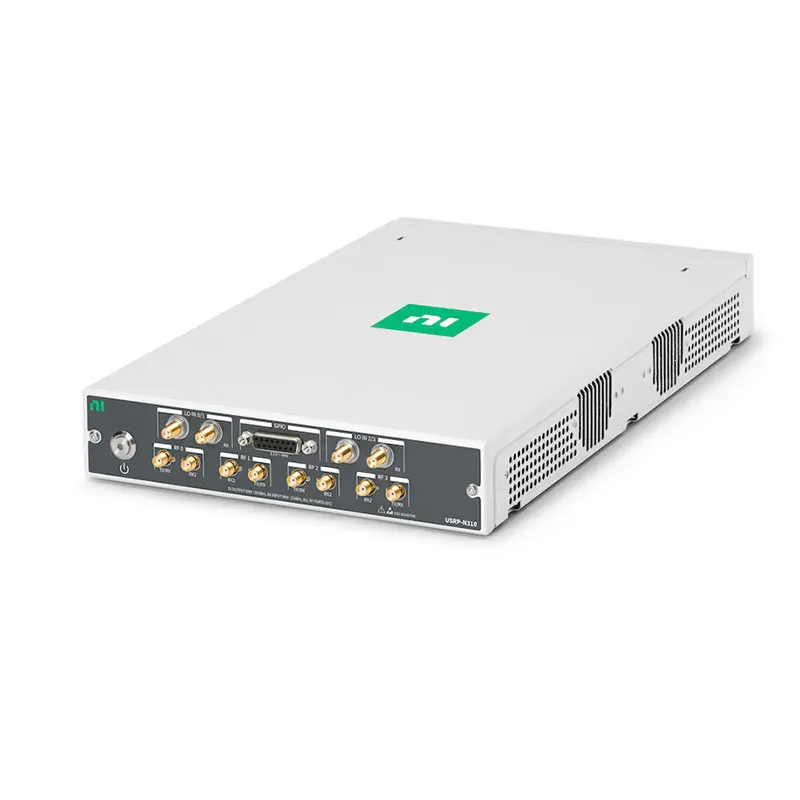
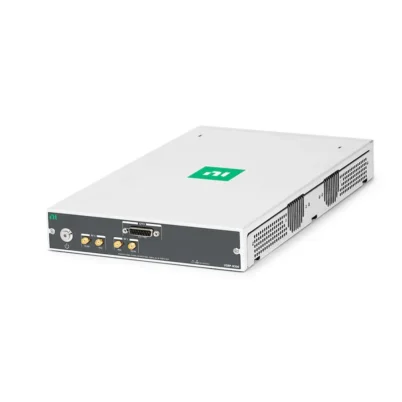
The Ettus USRP N310 Software Defined Radio (SDR) is a high-performance networked SDR platform designed for advanced wireless communication research, 5G development, MIMO experiments, and real-time RF signal processing applications.
Developed by Ettus Research, a National Instruments company, the USRP N310 combines an integrated RF front end, powerful FPGA processing, multi-channel transceiver capability, and high-speed Ethernet connectivity into a compact and deployment-ready SDR platform.
Compared with previous-generation SDR platforms, the USRP N310 provides improved channel density, enhanced synchronization capability, and higher system performance, making it suitable for researchers and engineers developing next-generation communication systems, radar applications, and distributed wireless networks.
Key Features of Ettus USRP N310
Integrated Multi-Channel RF Architecture
The USRP N310 integrates RF transceiver functionality and digital processing into a compact networked SDR platform, reducing system complexity while improving deployment flexibility.
- Integrated RF front-end design
- 4-channel transmit and receive capability
- Wideband RF operation
- Multi-antenna system support
- Designed for advanced wireless applications
The integrated architecture allows engineers to quickly develop and deploy sophisticated SDR-based communication systems.
High-Performance FPGA Processing
The USRP N310 includes a powerful FPGA processing engine for real-time signal processing and custom radio applications.
- Real-time digital signal processing
- Custom FPGA programming
- Digital up/down conversion
- Signal filtering and acceleration
- Low-latency processing
FPGA resources enable deterministic processing performance for demanding RF and communication applications.
10 Gigabit Ethernet Connectivity
The USRP N310 provides high-speed Ethernet connectivity for transferring large volumes of RF data between the SDR and external processing systems.
- 10 Gigabit Ethernet interface
- High-bandwidth IQ data streaming
- Low-latency network communication
- Distributed SDR system deployment
The network-based architecture enables flexible deployment of multiple USRP devices in large-scale wireless research environments.
Advanced Synchronization Capability
The USRP N310 supports precise timing and synchronization features required for multi-device and multi-channel communication systems.
- External reference clock input
- GPS-disciplined timing support
- Multi-device synchronization
- Phase-coherent applications
Accurate synchronization makes the N310 suitable for MIMO, beamforming, and distributed wireless systems.
Flexible Software Architecture
The USRP N310 supports open software frameworks, allowing users to develop customized wireless applications.
- UHD (USRP Hardware Driver)
- GNU Radio
- MATLAB
- Simulink
- LabVIEW Communications
- Python
- C/C++
Applications of Ettus USRP N310
5G and 6G Wireless Research
The USRP N310 is widely used in research institutions and companies developing advanced wireless communication technologies.
- 5G NR waveform development
- 6G communication research
- Massive MIMO testing
- Beamforming algorithm evaluation
- Wireless protocol development
MIMO and Beamforming Applications
With four RF channels, the USRP N310 provides an effective platform for multi-antenna communication research.
- Multi-user MIMO experiments
- Antenna array testing
- Channel measurement
- Spatial signal processing
- Beam steering research
Distributed Wireless Systems
The networked architecture of the N310 enables researchers to build distributed radio networks.
- Distributed antenna systems
- Coordinated multi-radio experiments
- Wireless network testing
- Large-scale SDR deployments
Radar and RF Sensing Applications
The combination of wideband RF capability and FPGA processing makes the USRP N310 suitable for radar and sensing research.
- Radar waveform development
- RF sensing systems
- Signal intelligence research
- Real-time signal analysis
Spectrum Monitoring and RF Testing
The USRP N310 provides a flexible platform for monitoring and analyzing complex RF environments.
- Spectrum surveillance
- Interference detection
- Signal classification
- Wireless security testing
Technical Specifications of USRP N310
| Feature | Description |
|---|
| Platform Type | Networked Software Defined Radio |
| RF Channels | 4-channel transmit and receive architecture |
| RF Design | Integrated RF front end |
| Connectivity | 10 Gigabit Ethernet |
| Processing | FPGA-based real-time processing |
| Synchronization | External clock and timing support |
| Software | UHD, GNU Radio, MATLAB, LabVIEW |
Comparison with Similar USRP Platforms
| Model | Main Difference | Best Application |
|---|
| USRP N310 | 4-channel networked SDR with integrated RF front end | 5G, MIMO, and advanced wireless research |
| USRP N300 | Networked SDR with lower channel capability | Wireless prototyping and RF research |
| USRP X310 | Modular SDR with RF daughterboard architecture | Flexible RF experimentation |
| USRP X410 | Next-generation high-performance SDR platform | 5G/6G and massive MIMO systems |
Compared with the USRP N300, the N310 provides increased channel capability and improved performance for multi-antenna applications. Compared with X Series platforms, the N310 offers a more integrated RF architecture that simplifies deployment in networked SDR systems.
Why Choose Ettus USRP N310
- 4-channel integrated RF SDR platform
- High-performance FPGA signal processing
- 10 Gigabit Ethernet high-speed networking
- Advanced synchronization capability
- Excellent platform for MIMO and 5G research
- Supports open SDR software ecosystems
- Suitable for advanced wireless, radar, and RF applications
Conclusion
The Ettus USRP N310 Software Defined Radio platform is a powerful networked SDR solution designed for engineers and researchers developing advanced wireless communication systems.
With its integrated RF architecture, four-channel transceiver capability, FPGA processing engine, high-speed Ethernet connectivity, and flexible software support, the USRP N310 is an excellent choice for 5G/6G research, massive MIMO experiments, distributed wireless networks, radar development, and advanced RF prototyping.